

Vitamin D is unusual among nutrients: we get most of it not from food but from sunlight on our skin. That works well in a sunny climate — and rather less well in the UK, where for half the year the sun is simply too weak to do the job. As a result, low vitamin D is one of the most common nutritional gaps in Britain, particularly over winter. Here is what it does, how to spot a shortfall, and what the NHS advises. This is general information, not medical advice; speak to your GP or pharmacist if you are concerned about your levels.
What it is
Vitamin D deficiency is a state of having too little vitamin D in the body to keep bones, teeth and muscles healthy. Vitamin D's main job is to help the body absorb calcium and phosphate from the diet — minerals that are essential for strong bones and teeth and for normal muscle function. Without enough vitamin D, the body cannot use those minerals properly, however much you consume.
It is sometimes called the "sunshine vitamin," because the main source is not food at all.
Where vitamin D comes from
There are three routes, and their relative importance is the key to understanding why deficiency is so common in the UK.
Sunlight (the main source)
Most people get the majority of their vitamin D from sunlight. When skin is exposed to summer sunlight, it makes vitamin D from a type of cholesterol. The catch is that this only happens when the sun is strong enough. In the UK, from about late March to the end of September the sun can do the job; from October to March the sunlight is too weak, so the skin makes little or no vitamin D. Over those months, the body draws on stores built up in summer — which is why levels so often dip by late winter.
Food (a smaller source)
Few foods naturally contain much vitamin D, which is why diet alone rarely meets needs. The main dietary sources are:
- Oily fish — salmon, mackerel, sardines, herring
- Egg yolks
- Red meat and liver (in small amounts)
- Fortified foods — some breakfast cereals, fat spreads and plant-based milks have vitamin D added
Building these into a varied diet helps, and oily fish in particular fits well within a balanced plate. But for most people, food alone does not supply enough over winter.
Supplements
Because sunlight is seasonal and food sources are limited, supplements are the reliable way to top up, especially in the darker months — which is exactly why the NHS makes the recommendation below.
The signs of deficiency
Mild vitamin D deficiency frequently causes no obvious symptoms at all, which is part of why it goes unnoticed. When symptoms do appear, they can be vague and easy to attribute to other things:
- Tiredness and a general lack of energy
- Bone pain or tenderness
- Muscle aches, pain or weakness
- General aches that are hard to pin down
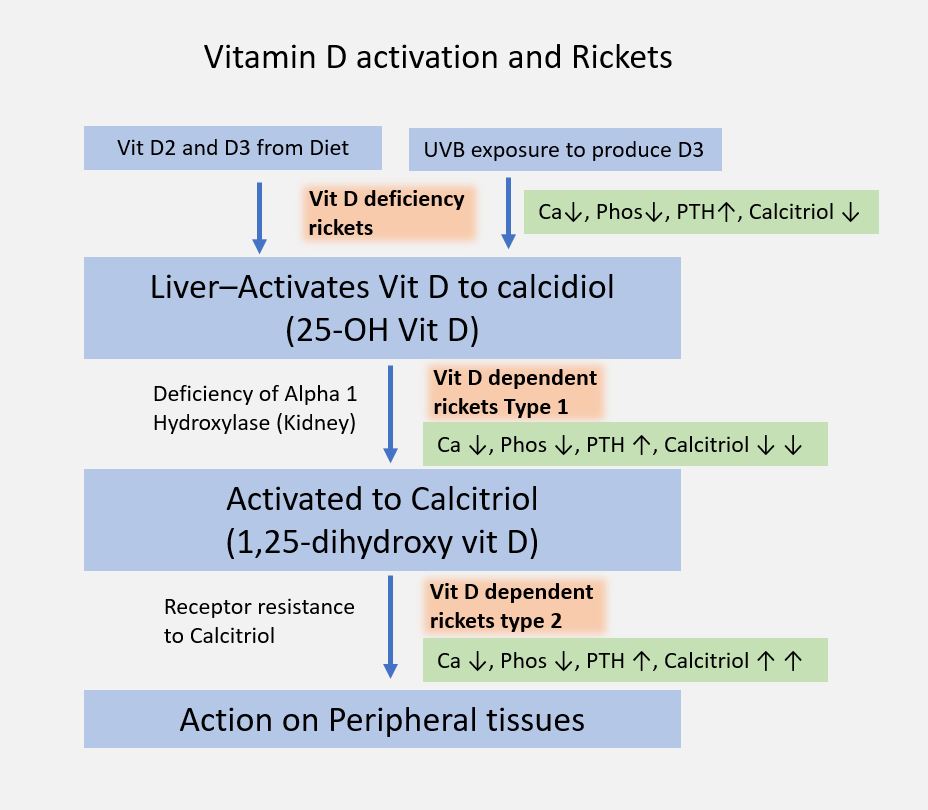
In children, severe, prolonged deficiency can cause rickets, where bones become soft and deformed. In adults, it can cause osteomalacia, a softening of the bones leading to pain and weakness. These are the serious end of the spectrum and are far less common than mild, symptomless deficiency.
Because the early signs overlap with so many other things — including the everyday tiredness behind an afternoon energy slump or poor sleep — symptoms alone cannot confirm deficiency. A blood test, arranged through your GP, is the only way to know for sure.
Who is most at risk
Some people are more likely to run low and may need to be especially careful:
- People who spend little time outdoors, such as those who are housebound or in care homes
- People who usually cover most of their skin when outside
- People with darker skin (from African, African-Caribbean or south Asian backgrounds), whose skin makes vitamin D less efficiently from UK sunlight
- Babies and young children, and pregnant or breastfeeding women
- Older adults, whose skin is less effective at making vitamin D
The NHS advice on supplements
The official UK guidance is clear and worth knowing:
- Everyone should consider taking a daily supplement containing 10 micrograms (400 IU) of vitamin D during autumn and winter (roughly October to March).
- People in the higher-risk groups above, and anyone who gets little sun exposure, are advised to take it all year round.
- Babies from birth to one year should be given a daily supplement (those having more than 500ml of infant formula a day do not need one, as formula is fortified), and children aged one to four should take one year-round.
Crucially, more is not better. Taking too much vitamin D over a long period can cause too much calcium to build up in the body, which can harm the bones, heart and kidneys. For most adults and children over 11, the NHS advises not taking more than 100 micrograms a day unless told to by a clinician. If in doubt, a pharmacist can advise on suitable products and doses.
Keeping levels up sensibly
Putting it together, a sensible approach for most people is to:
- Get some safe sun exposure in spring and summer (without burning), which builds up stores.
- Include vitamin D-rich and fortified foods in a varied diet.
- Take a 10 microgram daily supplement over autumn and winter, or year-round if you are in a higher-risk group.
- See your GP if you have persistent symptoms or think you may be deficient, rather than self-diagnosing.
Looking after vitamin D sits within the bigger picture of general wellbeing — alongside good sleep, regular activity and balanced eating — rather than being a single fix on its own.
The bottom line
Vitamin D keeps bones, teeth and muscles healthy by helping the body absorb calcium, and most of it is made in the skin from summer sunlight. In the UK that means levels commonly fall between October and March, when the sun is too weak — so deficiency, often symptomless but sometimes causing tiredness and aches, is widespread. Oily fish and fortified foods help, but the NHS advises everyone consider a daily 10 microgram supplement in autumn and winter, and some groups all year. Just don't overdo it: too much can be harmful, and a blood test through your GP is the way to confirm a genuine shortfall.
Frequently asked questions
What does vitamin D do?
Vitamin D helps the body absorb calcium and phosphate from food, which are essential for healthy bones, teeth and muscles. A lack of it can lead to soft, weak bones, causing rickets in children and bone pain or osteomalacia in adults.
Why are so many people in the UK low in vitamin D?
Most vitamin D is made in the skin in response to summer sunlight. From about October to March in the UK, the sunlight is not strong enough for the skin to make vitamin D, so levels commonly fall over autumn and winter, especially for people who spend little time outdoors.
What are the signs of vitamin D deficiency?
Mild deficiency often causes no clear symptoms. When symptoms occur they can include tiredness, general aches, and bone or muscle pain or weakness. Severe, prolonged deficiency can cause bone deformities in children and bone pain in adults. A blood test is the only way to confirm it.
Should I take a vitamin D supplement?
The NHS advises that everyone consider taking a daily 10 microgram supplement in autumn and winter. Some groups, including people with little sun exposure and those with darker skin, are advised to take it all year. Do not exceed recommended amounts, as too much can be harmful.



Join in — free. Comments on Daily Junction are for members, so real names stay rare and bots stay out.
One field. We email you a 6-digit code — no password needed. Your comment is kept while you do it.
Under 13? You’ll need a parent’s OK first — it takes them one click.