
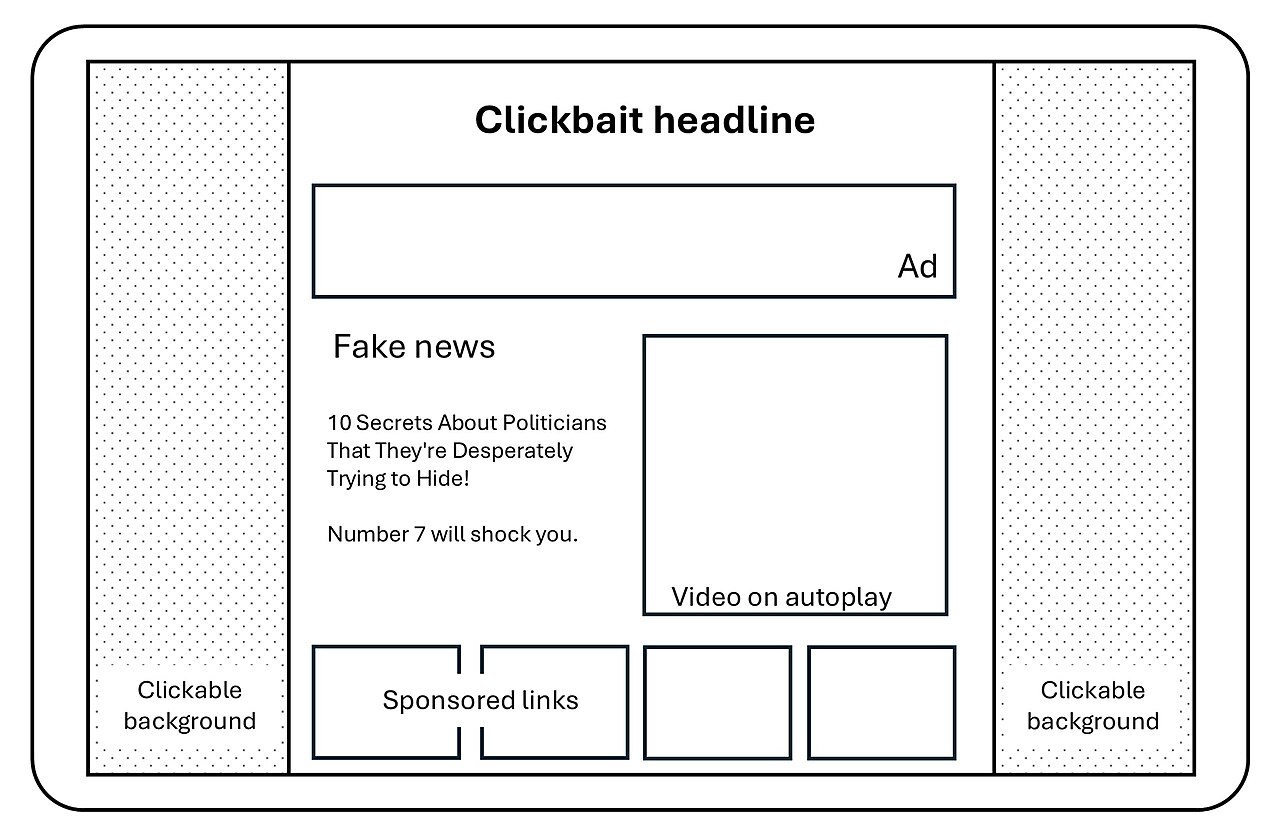
Every year brings breathless claims that digital advertising has been "revolutionised." Most of it is noise. But step back and look at the structural shifts, and a few genuine changes stand out by 2026: advertising has moved beyond third-party cookies, artificial intelligence now runs most of the day-to-day buying, retail media has become a serious third force, and measurement is harder than it used to be. Here is what actually changed, and what it means for how you spend.
1. Privacy reshaped targeting
The single biggest change is the long, messy retreat from third-party cookies — the small files that once let advertisers follow people across unrelated websites. Browser changes and tightening privacy regulation have steadily dismantled that model.
The practical effects are clear:
- First-party data is king. Information you collect directly, with consent — email sign-ups, purchase history, account data — is now the most valuable targeting asset you own.
- Contextual targeting is back. Placing ads based on the content someone is viewing, rather than their tracked history, has returned as a privacy-friendly approach.
- Consent is non-negotiable. Cookie banners and consent management are not box-ticking; in the UK they are a legal expectation. Our explainer on cookie consent and PECR covers the basics, and marketers should also understand UK GDPR before building any data-driven campaign.
This is general information rather than legal advice, and the rules evolve — the UK's Information Commissioner's Office is the authority to check for current guidance on cookies and consent.
2. AI runs the buying now
For years, media buyers manually set bids, picked audiences and adjusted budgets. By 2026, artificial intelligence does most of that work. Platforms optimise bidding, targeting and placement automatically, in real time, at a scale and speed no human could match.
That has not eliminated the marketer's job — it has changed it. The work has moved up the stack:

- Strategy and goals. Telling the system what success means — a sale, a qualified lead, a profitable return — and feeding it accurate conversion data.
- Creative. When machines handle the buying, the message becomes the main lever a human controls. Good creative is now one of the few durable advantages.
- Inputs and oversight. AI is only as good as the data and objectives it is given, and it still needs checking against business reality rather than vanity metrics.
Automation did not remove the human from advertising. It moved the human from pulling levers to deciding which levers should exist — and judging whether the machine's answers actually serve the business.
The same shift is visible across the wider field of AI assistants in business: the routine execution is automated, and the judgement is not.
3. Retail media became a third force
For most of the last decade, digital advertising meant two giants: search and social. The notable newcomer is retail media — advertising bought directly on retailers' own websites, apps and networks, such as sponsored placements within an online store.
It has grown fast for solid reasons:
- Retailers hold rich, consented first-party purchase data — exactly the asset that became scarce elsewhere.
- Ads appear when shoppers are close to buying, often with a clear line to a sale.
- As open-web tracking declined, budgets sought places where targeting and measurement still work well.
For many businesses this is now a third channel to weigh deliberately rather than an afterthought — part of a genuine multi-channel plan rather than a side experiment.
4. Measurement got harder
The flip side of better privacy is messier measurement. The individual-level tracking that powered older attribution models has largely gone, replaced by modelling, aggregated data and first-party signals.
What this means in practice:
- Expect modelled and probabilistic numbers, not the illusion of perfect, click-by-click certainty.
- Clean first-party data and properly configured conversion tracking are now competitive advantages, not housekeeping.
- Clear goals matter more than ever: if you cannot say precisely what a campaign should achieve, no measurement approach will rescue it.
Industry practitioners have been candid about how much these forces have reshaped the discipline. London marketing consultancy CM Beyer offers a grounded read on what has genuinely changed in digital advertising versus what is merely hype — a useful sanity check against the louder predictions.
What it does not change
Note what has not changed, because the fundamentals still decide most outcomes. The need to understand your customer, the difference between brand-building and performance, and the discipline of putting strategy before tactics are all as important as ever. The relationship between digital and traditional advertising remains a blend rather than a war, and the basics of who you target and what you say still outweigh any single tool or platform.
The bottom line
By 2026, digital advertising has genuinely shifted on four fronts: privacy moved targeting toward first-party data and consent, AI took over the day-to-day buying, retail media emerged as a major channel, and measurement became more modelled and less precise. None of it removes the need for sound strategy, strong creative and a real understanding of your customer — but it does reward businesses that own clean first-party data, invest in their message, and set clear goals. Treat the tools as means, keep the fundamentals in view, and the changes become an advantage rather than a threat.
Frequently asked questions
What is the biggest change in digital advertising in 2026?
The decline of third-party cookies and tighter privacy rules. Advertisers have shifted toward first-party data they collect with consent, contextual targeting, and modelled measurement rather than tracking individuals across the web.
What is retail media?
Retail media is advertising bought on retailers' own websites, apps and networks — for example sponsored product placements in an online store. It has grown quickly because retailers hold rich first-party purchase data and shoppers are close to the point of buying.
Is AI replacing media buyers?
Not exactly. AI now automates much of the bidding, targeting and optimisation that buyers once did by hand. The human role has shifted toward strategy, creative quality, feeding the systems good data and goals, and checking that automated decisions serve the business.
Why is measuring ad performance harder now?
Privacy changes removed much of the individual-level tracking that underpinned older attribution. Measurement now relies more on modelling, aggregated data and first-party signals, so clean data and clearly defined goals matter more than ever.

Join in — free. Comments on Daily Junction are for members, so real names stay rare and bots stay out.
One field. We email you a 6-digit code — no password needed. Your comment is kept while you do it.
Under 13? You’ll need a parent’s OK first — it takes them one click.