
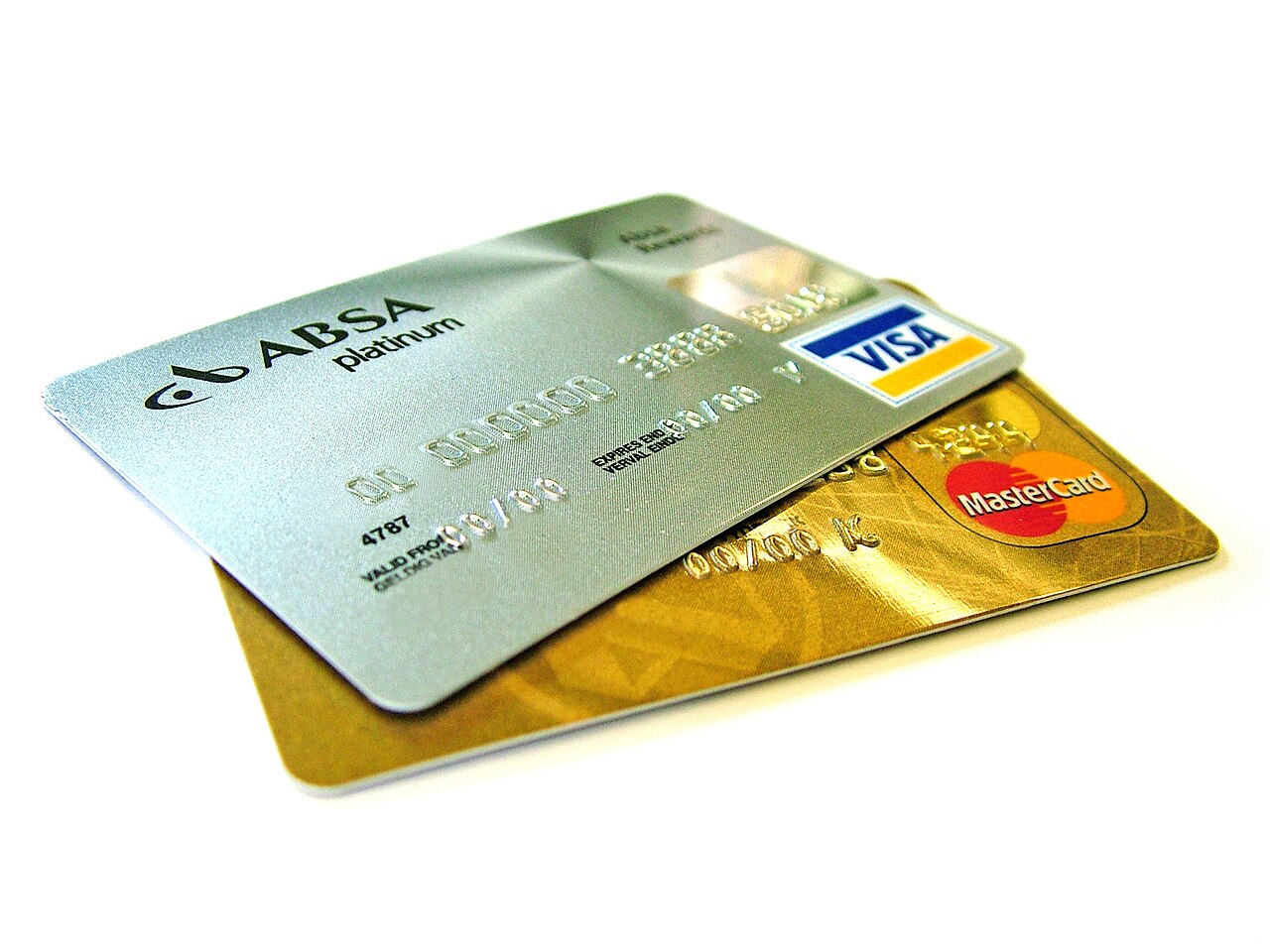
Most people know that paying bills on time helps their credit score. Far fewer realise that how much of their available credit they are using matters almost as much — and changes far more quickly. This figure is called credit utilisation, and it quietly influences whether you are accepted for credit and at what rate. The good news is that it is one of the easiest things to improve. This guide explains what utilisation is, where the well-known 30% guideline comes from, and practical ways to bring yours down. This is general information, not financial advice.
What credit utilisation is
Credit utilisation is the percentage of your available revolving credit that you are currently using. Revolving credit means products with a limit you can borrow against repeatedly — chiefly credit cards and some overdrafts — rather than fixed loans with set repayments.
The maths is simple:
Utilisation = (balance you owe ÷ your credit limit) × 100.
So if you have a credit card with a £2,000 limit and you owe £600, your utilisation on that card is 30%. If you owe £1,800, it is 90%. Across several cards, lenders may also look at your overall utilisation — your total balances divided by your total limits.
Why does it matter? Because utilisation is read as a signal. Consistently using a large share of your available credit can suggest you are stretched or reliant on borrowing, while using a modest share suggests credit is comfortably within your means. It is one of the more influential elements in how scores are calculated, sitting alongside your payment history.

Where the 30% guideline comes from
You will often see the advice to keep utilisation below about 30%. This is a rule of thumb rather than a precise legal threshold, and it is worth understanding it as a guideline, not a magic line.
The thinking is that once utilisation climbs past roughly a third of your available credit, it starts to look like heavier reliance on borrowing. Below that, your usage looks comfortable. But two nuances matter:
- Lower is generally better. There is nothing special about 30% itself — 10% usually looks better than 25%. The 30% figure is simply a memorable ceiling to stay under, not a target to aim for.
- Individual cards count too. Your overall utilisation might be low while one card sits near its limit. That single high card can still stand out, so it can help to spread balances or clear the most stretched card first.
| Balance on a £2,000 limit | Utilisation | How it tends to look |
|---|---|---|
| £200 | 10% | Comfortable |
| £600 | 30% | Around the common guideline |
| £1,200 | 60% | Stretched |
| £1,900 | 95% | Near the limit — a red flag |
Utilisation is also one of the reasons your score can move month to month even when nothing else changes; our guide to how credit scoring works in the UK puts it in the context of the other factors lenders weigh.
How to lower your credit utilisation
Because utilisation reflects your latest reported balances rather than your history, it responds relatively quickly to action. Here are practical ways to bring it down:
- Pay balances down. The most direct route. Reducing what you owe directly reduces the ratio.
- Pay earlier, or more than once a month. Card balances are usually reported around your statement date. Making a payment before that date means a lower balance is reported, even if your spending is unchanged. Some people make a mid-month payment for exactly this reason.
- Avoid maxing out a single card. Spreading spending so no one card sits near its limit can help, since individual cards are visible.
- Consider a higher limit — carefully. A higher limit lowers utilisation if your spending stays the same (£600 owed on a £3,000 limit is 20%, not 30%). But only do this if you trust yourself not to spend up to the new limit, and remember that applying for new credit has its own effects on your record.
- Keep older accounts open if sensible. Closing a card removes its limit from your total available credit, which can raise your overall utilisation. Weigh this before cancelling an unused card.
A note of caution on that last point about limits: increasing available credit is a tactic, not a cure. If high utilisation is a symptom of spending more than you can repay, the real fix is the budget behind it, not a bigger limit. Our guide to making a budget that works can help, and if balances are mounting, a structured plan like the debt snowball or avalanche method may help you clear them.
Putting it in perspective
Utilisation is influential, but it is one factor among several. Paying on time, the length of your credit history, recent applications and the information on your credit report all play a part too. It is also worth remembering that there is no single, universal "credit score": different credit reference agencies and lenders weigh things differently, so treat your score as a useful indicator rather than a precise grade. Checking your own credit report — which you can do for free — lets you see your balances, limits and utilisation as lenders see them, and there are broader steps you can take to improve your credit score over time.
For free, impartial guidance on credit and managing money, MoneyHelper and Citizens Advice are reliable starting points, and the Financial Conduct Authority regulates the firms involved.
The bottom line
Credit utilisation — the share of your available credit you are actually using — is a quietly powerful number. Keeping it below the widely cited 30% guideline is sensible, but lower is generally better, and individual cards near their limit can stand out even when your overall figure looks fine. Because it tracks your latest balances, paying down or paying early can improve it relatively quickly. Treat it as one important lever among several, and pair it with on-time payments and a realistic budget for the best long-term effect.
Frequently asked questions
What is credit utilisation?
It is the proportion of your available revolving credit (such as credit card limits) that you are using. If you have a 2,000 pound limit and a 600 pound balance, your utilisation is 30%. This is general information, not financial advice.
Why is 30% the figure people mention?
Keeping utilisation below roughly 30% is a widely cited rule of thumb because high utilisation can suggest reliance on credit. It is a guideline rather than a hard cut-off — generally, the lower your utilisation, the better it looks.
Does utilisation apply across all my cards or each one?
Both can matter. Lenders may look at your overall utilisation across all revolving credit and at individual cards, so a single card near its limit can still stand out even if your overall figure is low.
How quickly can lowering utilisation help?
Utilisation has no 'memory' — it reflects your latest reported balances, so paying a balance down can improve the figure relatively quickly, often within a billing or reporting cycle. Check your credit report to see the effect.



Join in — free. Comments on Daily Junction are for members, so real names stay rare and bots stay out.
One field. We email you a 6-digit code — no password needed. Your comment is kept while you do it.
Under 13? You’ll need a parent’s OK first — it takes them one click.