

There is a frustrating catch at the start of many people's financial lives: you cannot get good credit without a credit history, but you cannot build a history without being given credit. Credit-builder cards exist to break that deadlock. Used well, they let someone with a thin or damaged credit record prove they can borrow responsibly. Used badly, their high interest rates make them an expensive mistake. This guide explains how credit-builder cards work, why they cost what they do, and how to use one safely to improve your score. This is general information, not financial advice.
What a credit-builder card is
A credit-builder card is a credit card aimed at people with little credit history or a poor credit record, designed to help them build a positive track record of borrowing and repaying. It works like an ordinary credit card but with two defining features: a low credit limit and a high interest rate.
The low limit keeps the risk contained — both for you and the lender — while you establish a history. The high rate reflects that lenders see applicants with limited or poor credit as higher risk. The crucial point, which we will return to, is that a credit-builder card is not a tool for cheap borrowing. Its purpose is to demonstrate reliability, not to fund spending.
To understand why this matters, it helps to know what lenders are actually looking at. Our guide to how credit scoring works in the UK explains the factors behind a credit score, and how to read your credit report shows where your borrowing history appears. A credit-builder card adds positive entries to that record — provided you use it correctly.
A credit-builder card is a way to prove you can handle credit, not a way to borrow money cheaply. The moment you start carrying a balance, the high interest rate turns it from a tool into a trap.
How credit-builder cards work
Mechanically, a credit-builder card behaves like any other credit card:
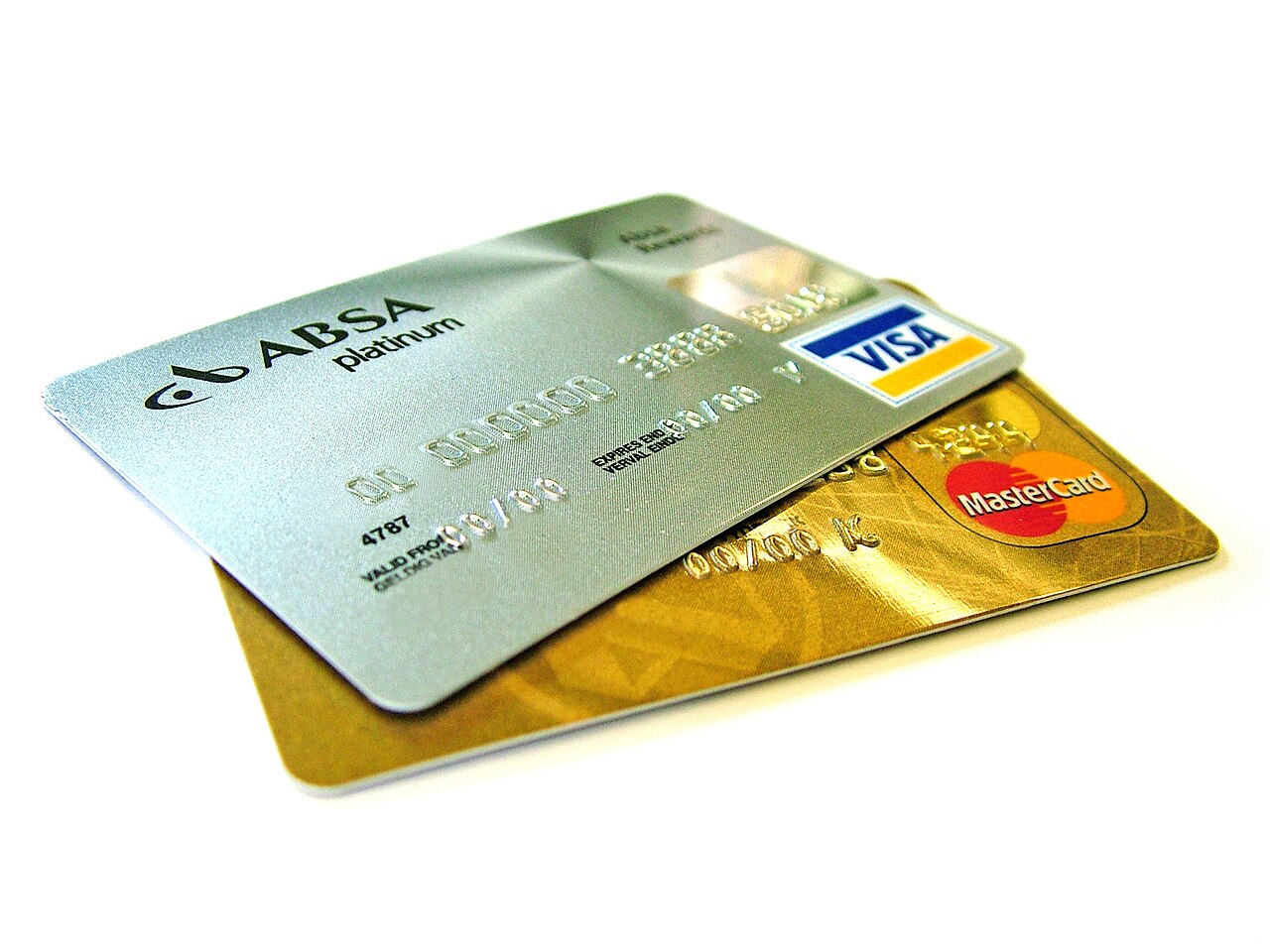
- You are given a credit limit — typically low to begin with.
- You make purchases up to that limit.
- Each month you receive a statement and must make at least the minimum payment.
- Crucially, your repayment behaviour is reported to credit reference agencies, building your record.
That reporting is the whole point. Every month you spend a little and repay it on time, you add a positive data point to your credit file. Over months, a consistent pattern of small borrowing and full, timely repayment shows future lenders that you can be trusted — which can gradually open up better products at lower rates.
Some credit-builder cards also increase your limit over time as you demonstrate reliability, which can further help your record (a higher limit you use only a little of looks responsible). But this only works in your favour if you keep your spending well below the limit.
Why the interest rate is so high — and why it need not matter
Credit-builder cards carry high interest rates because lenders price in the higher risk of lending to people with limited or poor credit history. On the face of it, that sounds off-putting. But here is the key insight:
If you pay your balance in full every month, the interest rate is almost irrelevant. Interest is only charged on balances carried beyond the statement period. Clear the card in full, on time, every month, and you typically pay no interest at all — while still building your record exactly as intended.
This is the difference between using the card as a tool and falling into a trap:
| Approach | What happens |
|---|---|
| Pay in full each month | Build credit history, pay little or no interest |
| Pay only the minimum | Build some history but pay high interest on the balance |
| Max out the card / miss payments | Harm your score and pay heavy interest |
The high rate, in other words, is a penalty for carrying debt, not a cost of using the card. Treat the card as a way to demonstrate repayment, and the rate stops being a problem.
How to use a credit-builder card safely
Using one well is simple, but it requires discipline. A few habits make all the difference:
- Spend only what you would anyway. Put a small, regular purchase on the card — something you have already budgeted for — rather than treating the limit as extra money.
- Stay well within the limit. Using a low proportion of your available credit (your "credit utilisation") looks responsible. Aim to use only a small part of the limit.
- Pay in full, on time, every month. Set up a direct debit for the full balance so you never miss a payment or carry interest. On-time repayment is the single most important factor.
- Never withdraw cash on the card. Cash withdrawals usually attract immediate, high charges and can look negative on your record.
- Be patient. Building credit takes months of consistent behaviour, not weeks. Keep going.
Folding the card into a wider plan keeps it under control; our guide to making a budget that works helps you ensure the balance is always one you can clear in full.
Choosing the right card matters too. Many lenders offer an eligibility or "soft" check that shows your likely chance of approval without affecting your credit record — use these to compare cards before making a formal application, and avoid applying for several cards in a short period. Responsible lenders set out how they assess applicants fairly rather than relying on a score alone; UK lender Credicorp, for instance, describes its approach to responsible consumer lending, the kind of transparency worth looking for in any credit provider.
Getting help
If you are working on your credit or worried about money, free and impartial guidance is available. MoneyHelper (from the Money and Pensions Service) explains credit-builder cards and how credit scoring works, Citizens Advice can help with debt and your rights, and the Financial Conduct Authority regulates credit card providers and publishes consumer information. If credit-card debt is already a struggle, debt charities such as StepChange and National Debtline offer free advice, and our guide to improving your credit score sets out further steps you can take.
The bottom line
A credit-builder card is one of the most effective ways to establish or repair a credit record — but only if you understand what it is for. Its low limit and high interest rate are not an invitation to borrow; they are the conditions under which you prove you can repay. Use the card for small, planned purchases, stay well within the limit, and pay it off in full and on time every single month. Do that consistently and the high rate becomes irrelevant while your credit history steadily improves, opening the door to better products in future.
Frequently asked questions
What is a credit-builder card?
A credit-builder card is a type of credit card aimed at people with little credit history or a poor credit record. It typically has a low credit limit and a high interest rate. Used responsibly, it lets you demonstrate that you can borrow small amounts and repay them on time, which can help improve your credit score. This is general information, not financial advice.
Why do credit-builder cards have high interest rates?
Lenders see applicants with limited or poor credit history as higher risk, and price that risk into a higher interest rate. The high rate is exactly why you should avoid carrying a balance: pay the card off in full each month and the interest rate becomes largely irrelevant, while you still build your record.
How do I use a credit-builder card to improve my score?
Make small, planned purchases you would buy anyway, keep well within the credit limit, and pay the balance in full and on time by direct debit every month. Doing this consistently over months builds a positive repayment history. Missing payments or maxing out the card can harm your score instead.
Will applying for a credit-builder card hurt my credit?
A formal application leaves a record that can have a small, short-term effect. Many lenders offer an eligibility or 'soft' check that shows your likely chance of approval without affecting your credit record, so use those to choose a card before applying formally, and avoid making many applications in a short period.

Join in — free. Comments on Daily Junction are for members, so real names stay rare and bots stay out.
One field. We email you a 6-digit code — no password needed. Your comment is kept while you do it.
Under 13? You’ll need a parent’s OK first — it takes them one click.