
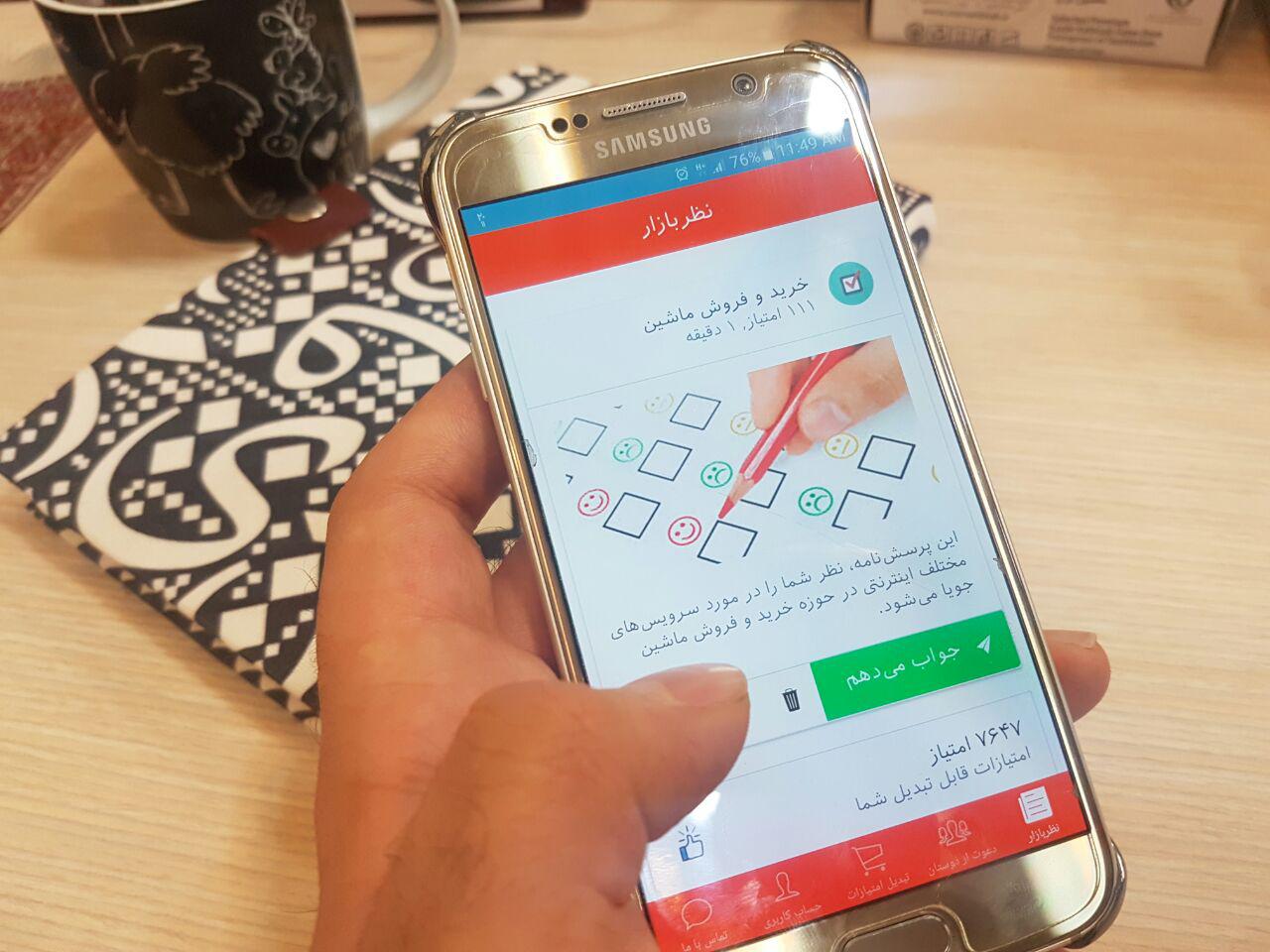
Numbers can tell you what is happening in a business — which page people leave, which product sells, which advert gets clicks — but they rarely tell you why. To understand the reasoning, the hesitation and the language behind a decision, you need to hear people talk. A focus group is one of the oldest and most useful ways to do exactly that. Done well, it surfaces insights no spreadsheet would ever reveal; done badly, it produces a misleading muddle dressed up as research. This guide walks through running one properly, from recruiting the right people to turning the conversation into decisions.
What it is
A focus group is a moderated discussion with a small group of people — typically six to eight — designed to explore their attitudes, reactions and reasoning about a specific topic. That topic might be a new product, a brand message, a website, a service experience or a problem you are trying to solve.
Two features set it apart from other research. First, it is qualitative: it explains the thinking behind opinions rather than counting how many people hold them. Second, it is a group — and the group dynamic is the point. People spark off one another, agree, disagree and refine their views in ways they never would alone. That interaction is where the richest insight often lives.
It helps to be clear about what a focus group is not. It is not a vote, not a substitute for a survey, and not a way to prove a decision you have already made. It is a way to listen.
When to use one (and when not to)
Focus groups shine when you need depth and language. Reach for one when you want to:
- Understand why customers behave the way they do
- Test reactions to a new idea, name, message or design before launch
- Explore a problem you do not yet fully understand
- Hear the actual words customers use, which can sharpen your marketing
They are the wrong tool when you need numbers. If your question is "how many of our customers would pay more for next-day delivery?", that is a survey question, not a focus-group question. A common and powerful sequence is to run a focus group first to understand the issue and shape the right questions, then run a survey to measure the answers at scale. This pairing of depth and breadth complements the harder financial work of judging whether an idea can pay its way, such as a break-even analysis, and it feeds directly into how you define a unique selling point that genuinely resonates.

Recruiting the right people
The single biggest factor in a useful focus group is who is in the room. Brilliant moderating cannot rescue the wrong participants.
Start from the audience you actually care about. If you are testing a product for new parents, recruit new parents — not a convenient mix of whoever is available. Define a short screening questionnaire to confirm people fit, covering relevant traits such as whether they use the category, how often, and basic demographics.
Two rules save a lot of grief:
- Screen out conflicts of interest. Exclude people who work in your industry, competitors, market researchers and journalists. They behave differently and skew the discussion.
- Aim for enough similarity to talk freely, enough variety to be interesting. Wildly mismatched groups can clam up; identical ones can produce groupthink.
Run more than one group if you can. Two or three sessions with different participants guard against one odd evening shaping your whole conclusion. Offer a reasonable incentive for people's time — it improves both turnout and the quality of who shows up.
Writing a discussion guide
A focus group is not a free-for-all; it follows a discussion guide — your map for the conversation. A good guide has a clear shape:
- Welcome and warm-up. Explain the purpose, set ground rules (no right answers, everyone's view matters, one person at a time), and ask an easy opening question so people relax and find their voice.
- Broad questions. Ease into the subject generally before narrowing down.
- Core topics. The handful of things you genuinely need to learn, in a logical order.
- Specific reactions. Show the product, message or design and gather detailed responses.
- Wrap-up. A final "anything we have not covered?" often surfaces gold.
Keep it shorter than you think — six to ten main questions for a 90-minute session is plenty, because each one opens into discussion. Write open questions ("What went through your mind when you saw this?") rather than closed ones ("Did you like this?"). And treat the guide as a guide, not a script: if the group heads somewhere interesting, follow it.
The best moment in a focus group is often unplanned — a throwaway comment that makes everyone nod, or a disagreement that reveals two completely different mindsets. A rigid script kills those moments. Hold your guide loosely.
Moderating well
The moderator makes or breaks the session. The job is to draw out honest views, not to perform or persuade. A few principles:
- Stay neutral. Do not reveal which answer you are hoping for, by word or expression. People are quick to tell you what they think you want to hear.
- Ask, then wait. Silence is uncomfortable, which is exactly why it works. Resist filling it; let someone else do so.
- Manage the room. Gently rein in anyone dominating ("That's helpful — what do others think?") and invite quieter participants in by name.
- Probe. "Tell me more", "Why is that?" and "Can you give an example?" turn thin answers into real understanding.
- Avoid leading questions. "You'd find that frustrating, wouldn't you?" plants the answer. Ask "How would that feel?" instead.
Record the session (with consent) so you are free to listen rather than scribble. If budget allows, a neutral professional moderator removes the bias that creeps in when the person who built the product runs the discussion.
Turning talk into decisions
The conversation is raw material; the value comes from analysis. Resist two temptations: cherry-picking the quotes that confirm what you already believed, and treating a strong opinion from one person as a verdict.
Work systematically. Review the recording or transcript and look for themes — points that recur across participants and, ideally, across more than one group. Note the language people use; their words are often better than yours for marketing. Pay attention to where the room agreed and where it split, because disagreement frequently marks a real divide in your audience.
Then remember the golden rule: focus groups give you direction, not proof. They tell you what people think and why, in vivid detail, from a small sample. They do not tell you how common those views are. Use them to generate ideas, spot problems, refine messages and frame better questions — and, where you need certainty about scale, validate the findings with broader research before betting the business on them. Reliable customer insight has long been the foundation of good decisions, a discipline explored in CM Beyer's customer-insight work on listening properly before acting.
The bottom line
A focus group is a guided conversation that reveals the reasoning behind people's choices — the why that numbers miss. Get the most from one by recruiting participants who genuinely match your audience, building a discussion guide that moves from broad to specific, moderating with neutrality and patience, and analysing the talk for honest themes rather than convenient quotes. Above all, respect its limits: it offers rich direction, not statistical proof. Used that way — often alongside a survey for scale — the focus group remains one of the sharpest tools a business has for understanding the people it serves.
Frequently asked questions
What is a focus group?
A focus group is a small, moderated discussion — usually six to eight participants — used to explore people's attitudes, reactions and reasoning about a product, idea, message or experience. A trained moderator guides the conversation using a prepared set of topics, encouraging participants to build on each other's answers. It is a qualitative method, so it explains the 'why' behind opinions rather than measuring how widespread they are.
How many people should be in a focus group?
Around six to eight participants per session works best. Fewer than five and the discussion can feel thin or be dominated by one voice; more than eight and people struggle to get a word in and the moderator loses control. Many projects run two or three separate groups so that one unusual session does not skew the whole picture.
How long should a focus group last?
Most focus groups run for 60 to 90 minutes. That is long enough to move past warm-up chat and reach the topics that matter, but short enough to keep energy and attention up. Beyond about 90 minutes participants tire, answers get shorter, and the quality of discussion falls away.
Are focus groups quantitative or qualitative?
Focus groups are qualitative. They produce rich detail about opinions, language and motivations from a handful of people, not numbers you can project onto a whole market. If you need to know how many people feel a certain way, use a survey instead — or use a focus group first to shape the questions, then a survey to measure them.
Join in — free. Comments on Daily Junction are for members, so real names stay rare and bots stay out.
One field. We email you a 6-digit code — no password needed. Your comment is kept while you do it.
Under 13? You’ll need a parent’s OK first — it takes them one click.