

The countdown hits zero, the queue page refreshes, and 20,000 places at the O2 evaporate before most people have entered their card details. The story writes itself: demand outstripped supply, sorry, sold out in minutes. What that story hides is that the general sale was never a sale of the whole venue. By the time you joined the queue, most of the house was already spoken for.
Start with the presales. A major tour now runs a staircase of early-access windows before general sale: an artist presale for mailing-list subscribers, an O2 Priority or Three+ window for the mobile networks that sponsor venues, an American Express presale for cardholders, a venue presale, sometimes a Spotify or album pre-order presale on top. Each window has its own allocation carved out of the total. For an in-demand arena tour, industry figures have repeatedly put the share of tickets released at general sale at well under half the venue, and for some shows far less than that.
Then come the holds. Promoters keep tickets back for production reasons, because sightlines are not finalised until the stage build is confirmed, and those seats drip back on sale for weeks afterwards. The artist holds tickets for family, label and fan-club use. The venue holds seats for its members and boxes. Sponsors take a contractual slice. Hospitality packagers take another, bundling a £90 ticket with a car park space and a lukewarm buffet at £400. None of this is scandalous in itself, but it means "90,000-capacity Wembley show" and "90,000 tickets at general sale" are very different numbers.
Into the residue come the bots. Automated software that queues from hundreds of IP addresses, defeats per-customer limits with networks of mule accounts and completes checkout faster than any human can hoover up a meaningful chunk of what is left. The UK made this a specific criminal offence in 2018, under the Breaching of Limits on Ticket Sales Regulations, punishable by an unlimited fine. Enforcement has been thin: prosecutions since then can be counted on one hand, the best-known being the 2020 conviction of two touts, Peter Hunter and David Smith, who had turned over millions reselling tickets bought at scale. The economics explain the persistence. A ticket bought at £110 and flipped on Viagogo or StubHub at £400 is a margin worth industrialising, and the platforms have historically taken their commission either way.
Dynamic pricing joins the squeeze
Ticketmaster's answer to touting was to capture the tout's margin itself. So-called Platinum or "in demand" tickets float with demand, so the price you see when you finally reach the front of the queue can be multiples of the price advertised when you joined it. The Oasis reunion sale in August 2024 made this a national argument: standard standing tickets listed at £135 were being offered at £355-plus after hours of queueing, with no warning that the price could move. The Competition and Markets Authority opened an investigation into whether fans were given clear and timely pricing information, and in 2025 Ticketmaster agreed to change how it labels and presents such tickets. The band said they had not known dynamic pricing would be used; the promoters said the pricing was signed off in the usual way. Nobody offered refunds of the difference.
What actually helps
The gap between face value and resale price is the fuel for the whole secondary economy, which is why the current policy fight is about capping it. The government consulted in 2025 on limiting resale prices, with options ranging from face value to face value plus a modest uplift, over loud objections from the resale platforms. Some artists have not waited: Ed Sheeran and Fontaines D.C. tours have used named-ticket entry, ID checks and face-value-only exchanges such as Twickets, and cancelled tickets found on the big resale sites. Those measures work, at the cost of slower entry queues.
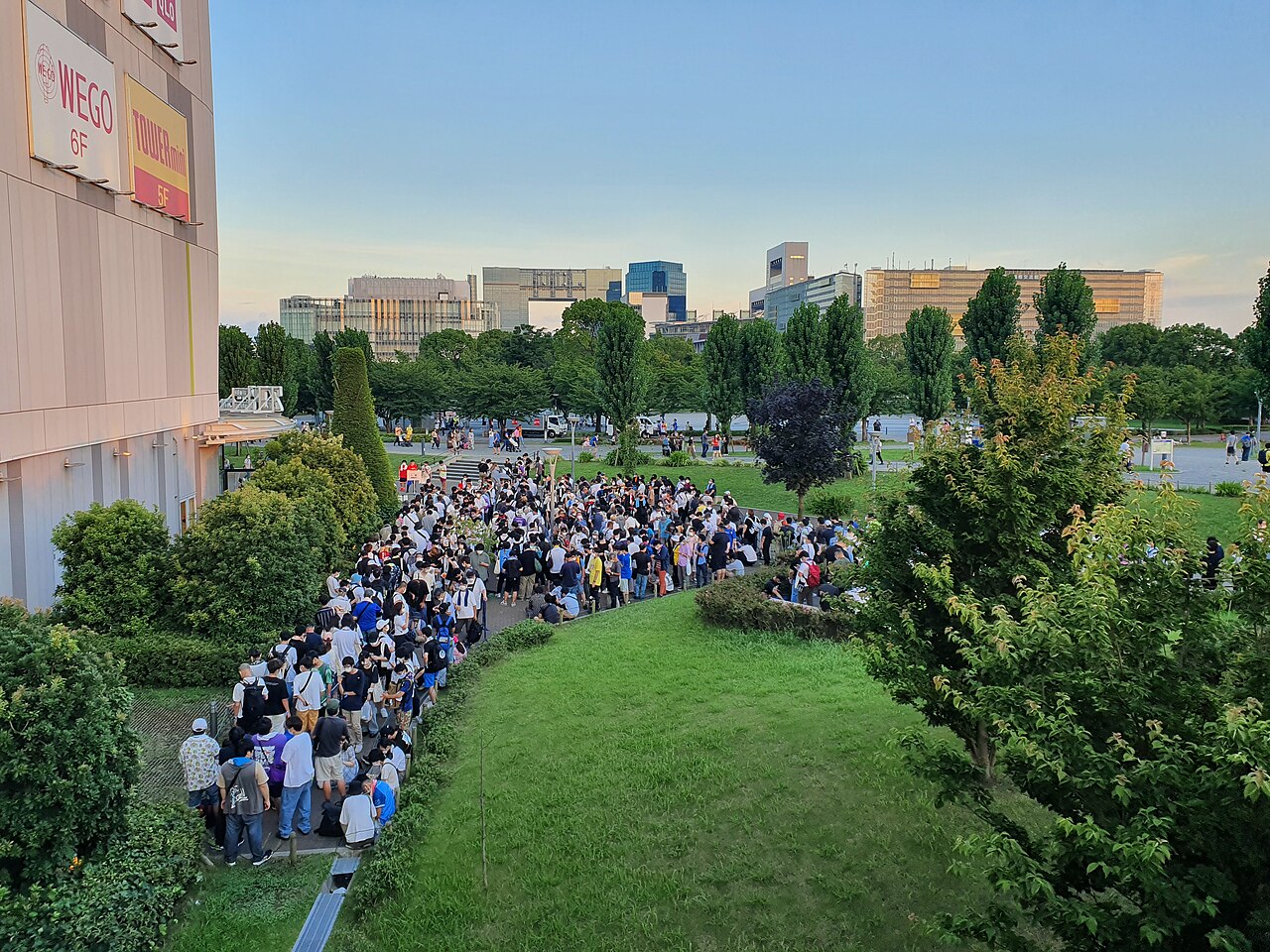
For the fan, the practical arithmetic is unglamorous. Register for the artist presale before the tour is announced, because that is where the deepest allocation usually sits. Treat general sale as a second chance rather than the main event. And if a show "sells out" in four minutes, watch the official site over the following month, when production holds are released and the seats nobody was allowed to buy on day one quietly reappear at face value.

Join in — free. Comments on Daily Junction are for members, so real names stay rare and bots stay out.
One field. We email you a 6-digit code — no password needed. Your comment is kept while you do it.
Under 13? You’ll need a parent’s OK first — it takes them one click.