

A garden can be far more than a patch of tidy lawn. Done thoughtfully, it becomes a small but genuine refuge for wildlife, a way to grow your own food, and a place that gives back to the environment rather than draining it. And the encouraging part is that a greener garden is usually cheaper and less work, not more.
Here is what makes a garden sustainable, and the practical changes that make the biggest difference — whatever your space.
What it is
A greener garden is one that works with nature rather than against it: supporting local wildlife, using fewer resources and avoiding harmful chemicals. Instead of fighting natural processes with constant mowing, watering and spraying, sustainable gardening lets those processes do much of the work.
That shift in mindset is the foundation. A conventional garden often aims for control: a flawless lawn, neat borders and not an insect in sight. A greener garden aims for balance, accepting a little wildness in exchange for a living, resilient space that needs less from you and gives more to the world around it.
It also recognises that gardens add up. The UK's domestic gardens together cover a vast area — collectively a huge potential habitat. What each gardener does genuinely matters at scale, especially as wild spaces shrink.
Help wildlife thrive
Supporting biodiversity is the heart of a green garden, and it starts with the smallest and most important visitors: pollinators.
- Plant for pollinators. Choose nectar- and pollen-rich flowers, and aim for something in bloom across as much of the year as possible. Single, open flowers are better than elaborate double blooms, which can be hard for insects to access. The RHS publishes lists of plants known to be good for pollinators.
- Leave a wild corner. A patch of long grass, nettles or wildflowers gives insects food and shelter. Letting part of the lawn grow long, or mowing it less often, is one of the easiest wins there is.
- Add water. Even a small pond or a shallow dish of water supports an astonishing range of life, from birds and bees to frogs and dragonflies.
- Create habitats. Log piles, a small "bug hotel", hedges, native shrubs and a gap in the fence for hedgehogs all provide homes and safe passage for wildlife.
- Plant a tree or hedge if you can. Even a single small tree offers food and shelter, and hedges beat fences for biodiversity. The Woodland Trust and Wildlife Trusts offer guidance on suitable native choices.
Crucially, all of this only works if the garden is safe to live in — which brings us to chemicals.
Ditch the chemicals
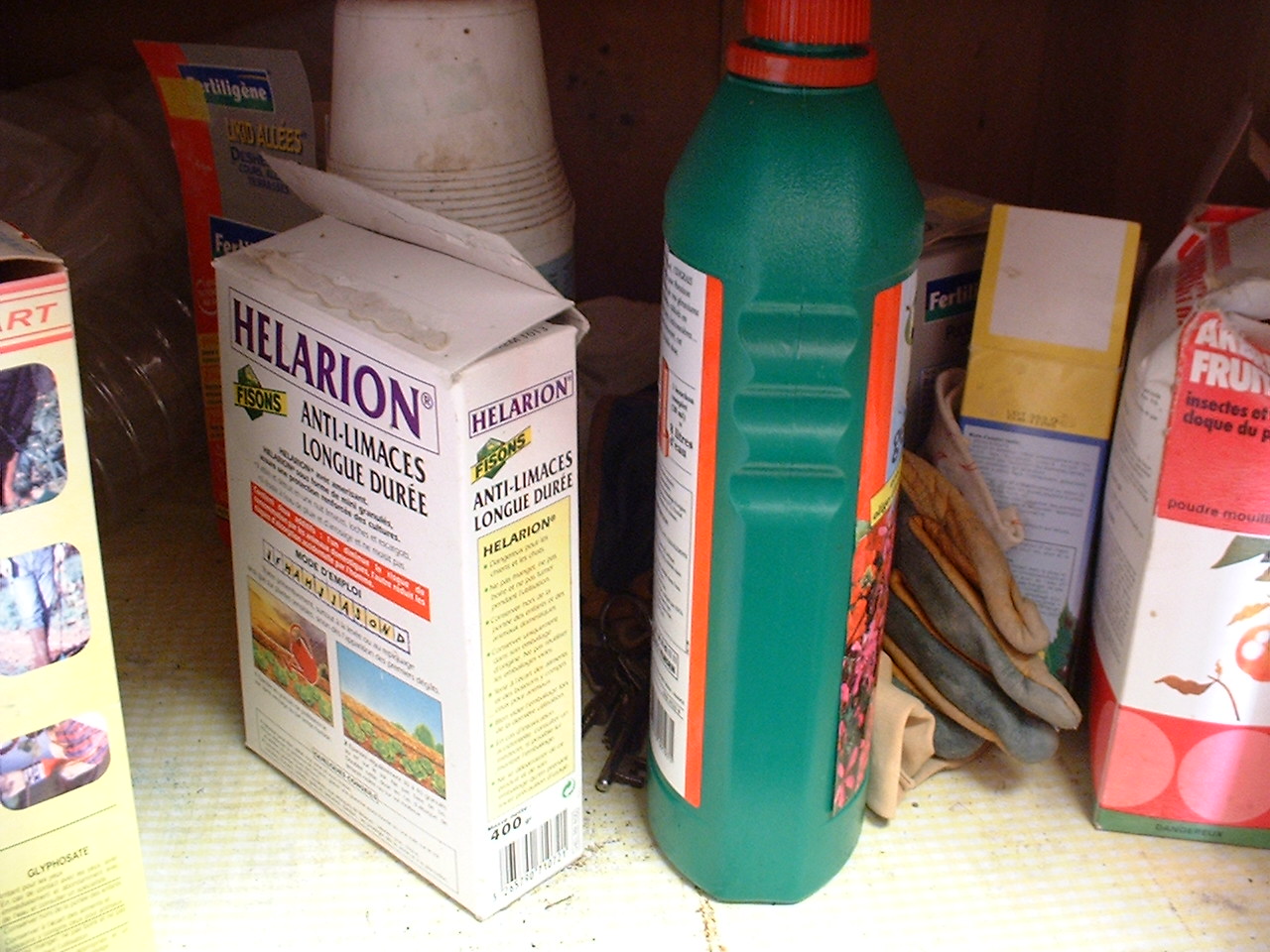
Pesticides, herbicides and slug pellets harm far more than their targets, killing beneficial insects, harming the food chain and sometimes washing into waterways. A greener garden does without them.
The good news is that a wildlife-friendly garden tends to keep itself in check. Encourage natural predators — ladybirds, birds, frogs and hedgehogs — and many pests are kept down for you. Where intervention is needed, physical methods such as picking off pests by hand, using barriers, or accepting a little imperfect foliage are kinder alternatives. Tolerating some "weeds" helps too; many, like dandelions and clover, are valuable for pollinators.
Save water and feed the soil
Resource use is the other half of sustainable gardening, and water and soil are where the savings lie.
Water wisely. Install a water butt to collect rainwater from the roof — free, unchlorinated and ideal for plants. Water in the cool of early morning or evening to reduce evaporation, water deeply but less often to encourage strong roots, and choose plants suited to your soil and climate so they need less help. Mulching borders helps lock moisture in, and these small habits trim your bills as well as your impact.
Compost your waste. Turning kitchen scraps and garden trimmings into compost is one of the most rewarding green habits. It cuts the waste sent away, reduces the need for shop-bought products, and feeds your soil for free. If space is tight, a small bin or wormery still works. This is the reduce-and-reuse principle of recycling applied directly to the garden — closing the loop on your own organic waste.
Go peat-free. Many composts and growing mixes still contain peat, dug from peat bogs that are precious carbon stores and rare habitats. Choosing peat-free products protects those landscapes and the carbon they hold.
Small spaces count
You do not need a sprawling plot. A balcony, courtyard or window box can all be made greener:
- Grow pollinator-friendly plants in pots, window boxes or hanging baskets.
- Add a small water source, even a shallow dish.
- Try a compact compost bin or wormery for kitchen scraps.
- Grow a few herbs or vegetables to cut food miles and packaging.
- Provide a bird feeder or insect house.
In towns and cities, these pockets of green are especially valuable, forming stepping stones that help wildlife move through built-up areas — a small counterweight to the wider habitat loss driven by deforestation and development.
A simple starting plan
If it all feels like a lot, start small. A realistic first-season checklist might be:
- Stop using pesticides and slug pellets.
- Let one area of grass grow long.
- Plant a few pollinator-friendly flowers.
- Set up a compost bin and a water butt.
- Add a shallow water source for wildlife.
- Switch to peat-free compost.
Each of these is cheap or free, and together they transform how a garden works.
The bottom line
A greener garden works with nature instead of against it — welcoming wildlife, using fewer resources and skipping the chemicals. Plant for pollinators, leave room for a little wildness, save water, compost your waste and avoid peat, and you create a space that is richer in life and lighter on the planet.
Best of all, sustainable gardening tends to be cheaper and less demanding once established. You can start with a single pot or a patch of long grass, and let nature take it from there.
Frequently asked questions
What is the easiest way to make my garden greener?
Plant flowers that pollinators love and stop using pesticides. Choosing nectar-rich plants and letting part of the garden grow a little wild gives an immediate boost to bees, butterflies and other insects with very little effort or cost.
Why should I avoid peat compost?
Peat is dug from peat bogs, which are important carbon stores and rare wildlife habitats. Harvesting it releases carbon and destroys those habitats, so peat-free compost is a much more sustainable choice.
Can I have a green garden if I only have a balcony?
Yes. Pots, window boxes and hanging baskets of pollinator-friendly plants, a small water source and even a tiny compost bin all help. Wildlife benefits from green spaces of every size in built-up areas.
Is greener gardening more expensive?
Usually the opposite. Saving water, making your own compost, choosing plants suited to your conditions and reducing lawn mowing all cut costs and effort over time once the garden is established.



Join in — free. Comments on Daily Junction are for members, so real names stay rare and bots stay out.
One field. We email you a 6-digit code — no password needed. Your comment is kept while you do it.
Under 13? You’ll need a parent’s OK first — it takes them one click.