

The state pension
The new State Pension is currently £11,502 per year (2024-25), requiring 35 qualifying National Insurance years for the full amount. NI gaps from periods of non-employment (except those covered by NI credits — unemployment, childcare, carer credits) can reduce your state pension. You can check your state pension forecast at gov.uk/check-state-pension. For most people, the state pension alone is insufficient for a comfortable retirement and needs to be supplemented by workplace or private pension saving.
Workplace pensions
Since the introduction of auto-enrolment in 2012, employers must automatically enrol eligible employees into a workplace pension and contribute at least 3% of qualifying earnings; the employee contributes at least 5% (including tax relief). The key tax advantage: pension contributions receive income tax relief at your marginal rate. A basic-rate taxpayer contributing £80 pays an effective cost of £80 but £100 goes into the pension; a higher-rate taxpayer contributing £60 gets £100 into the pension (with additional tax relief claimable via self-assessment).
Defined benefit versus defined contribution
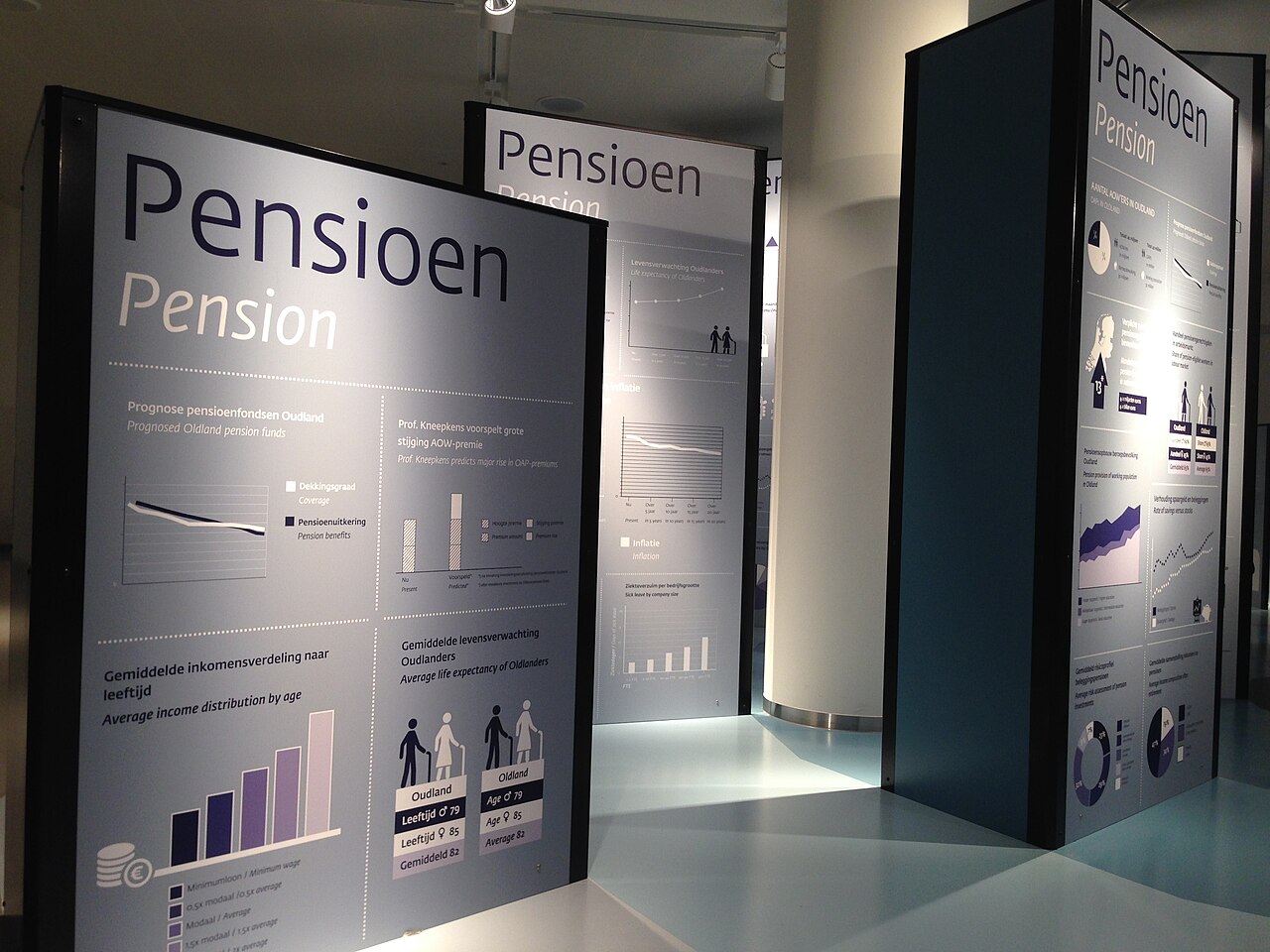
Defined benefit (DB) pensions — common in the public sector and some older employer schemes — pay a guaranteed income in retirement based on salary and years of service. These are increasingly rare in the private sector. Defined contribution (DC) pensions — now the norm — accumulate a pot of money based on contributions and investment returns. At retirement, you decide how to use the pot: purchasing an annuity (guaranteed income for life), flexible drawdown (keeping the pot invested and drawing from it), or a combination.
How much to save
A commonly cited benchmark is to aim for a retirement income of around two-thirds of pre-retirement salary. Accounting for the state pension, a DC pot of around £200,000-£300,000 at retirement might supplement the state pension to achieve a reasonable income — though the right number depends enormously on retirement age, expected lifespan, lifestyle expectations and other income sources. The Pensions Advisory Service provides free guidance.
Frequently asked questions
Can I republish or share this article?
Our content is copyright Daily Junction. You may share links freely, but please do not reproduce full articles without permission.
How do I suggest a correction?
Please use our contact form to flag any factual errors. We take editorial accuracy seriously and publish corrections promptly.


Join in — free. Comments on Daily Junction are for members, so real names stay rare and bots stay out.
One field. We email you a 6-digit code — no password needed. Your comment is kept while you do it.
Under 13? You’ll need a parent’s OK first — it takes them one click.