
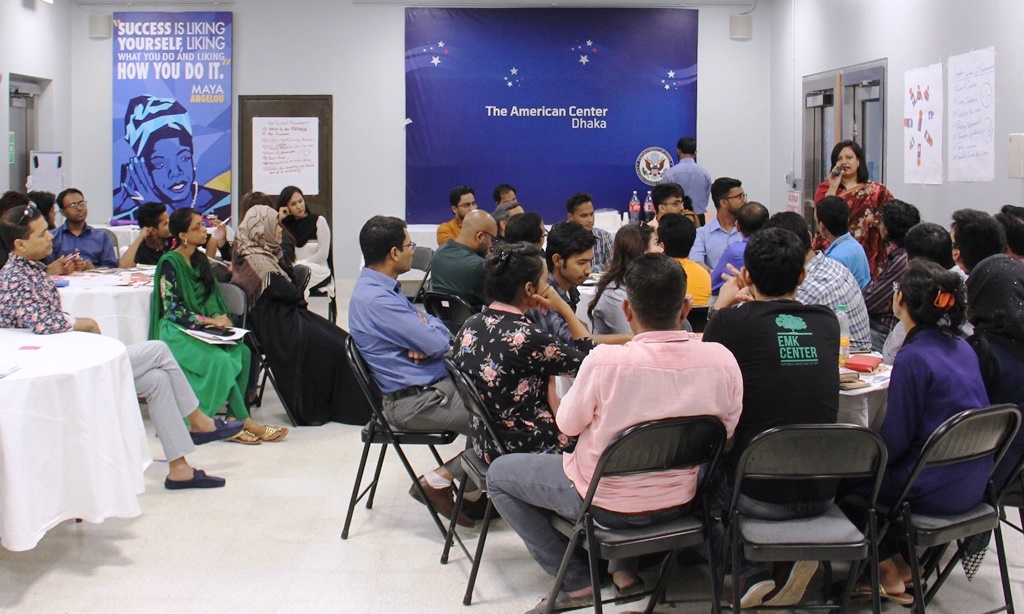
If you have ever worked with someone who is brilliant at their job but impossible to work alongside, you already understand why soft skills matter. Technical ability gets you into a role; the way you communicate, collaborate and cope with change largely determines how far you go in it. Yet soft skills are often treated as either innate gifts or vague nice-to-haves. They are neither. They are concrete, learnable abilities — and arguably the most transferable ones you will ever develop.
What soft skills are
Soft skills are the people-and-self skills that shape how you work, communicate and adapt, as distinct from the job-specific technical knowledge known as hard skills. Where a hard skill might be writing code, reading a balance sheet or wiring a circuit, a soft skill is something like listening well, managing your time or staying calm under pressure.
The label "soft" is a little misleading, because there is nothing easy or optional about them. A better way to think of them is transferable skills: they travel with you from job to job and industry to industry, even when the technical requirements change completely. A nurse, a software developer and a shop manager need very different hard skills, but all three rely on communication, teamwork and problem-solving every single day.
Hard skills get you the interview. Soft skills get you the job, and then help you keep and grow in it.
Why employers value them so much
Almost all work happens through other people. Projects are delivered by teams, decisions are made in meetings, and customers are won or lost in conversations. That is why employers consistently rank soft skills alongside, and sometimes above, technical ability — they are what make technical ability useful in the real world.
There are three practical reasons they matter:

- They transfer. Specific tools and systems go out of date; the ability to learn, communicate and collaborate does not. As the National Careers Service notes, transferable skills are central to moving between roles and adapting your career over time.
- They scale with responsibility. The more senior you become, the more your job is about people — leading, persuading, resolving conflict — and the less it is about doing the technical work yourself.
- They are hard to automate. As routine technical tasks increasingly get handled by software, distinctly human skills like judgement, empathy and clear communication become more valuable, not less.
The core soft skills, and what they actually mean
The list of soft skills is long, but a handful do most of the heavy lifting. Here is what they look like in practice rather than in the abstract.
| Soft skill | What it looks like in practice |
|---|---|
| Communication | Explaining a complex idea simply; writing a clear email; listening without interrupting |
| Teamwork | Sharing credit; pulling your weight; helping a colleague who is stuck |
| Adaptability | Staying productive when priorities change; learning a new tool without complaint |
| Problem-solving | Breaking a messy issue into steps; weighing options; deciding and acting |
| Time management | Prioritising the important over the merely urgent; meeting deadlines reliably |
| Emotional intelligence | Reading the room; staying calm in conflict; giving and taking feedback well |
Communication
This is the master soft skill, and it is mostly about clarity and listening — not confidence or charisma. Good communicators tailor the message to the audience, check they have been understood, and listen at least as much as they talk. If you want to sharpen how you put ideas across, the same principles that make a strong written argument apply: our guide to interview preparation covers how to structure clear, specific answers under pressure.
Teamwork
Teamwork is less about being agreeable and more about being reliable and generous. It means doing what you said you would, communicating early when something slips, and making your colleagues' jobs easier rather than harder. Organisations invest heavily in this from day one — it is a major theme of good staff onboarding, which is really about helping new people work well with others quickly.
Adaptability
Few plans survive contact with reality, so the ability to adjust calmly is hugely valuable. Adaptable people treat change as normal rather than as a personal affront. A close cousin is a willingness to keep learning — and learning itself is a skill you can practise, as our piece on how to learn a language shows with its emphasis on small, consistent effort over time.
How to build soft skills
The single biggest myth about soft skills is that you either have them or you do not. In fact, they respond to the same approach as any skill: deliberate practice, feedback and reflection. You will not improve your communication by reading an article about communication; you improve it by communicating, then noticing what worked.
Here is a practical routine:
- Pick one skill at a time. Trying to improve everything at once improves nothing. Choose the one that would most help you right now.
- Define what "better" looks like. "Communicate better" is too vague. "Speak up at least once in every team meeting" is something you can actually do.
- Practise in real situations. Use your actual work and life as the training ground. Low-stakes moments are perfect for trying a new behaviour.
- Seek honest feedback. Ask a colleague or manager how a presentation landed, or whether your emails are clear. Feedback is the fastest route to improvement.
- Reflect afterwards. Spend a minute reviewing how a difficult conversation went and what you would change. This turns experience into learning.
Feedback is so central that it works both ways: learning to give and receive it well is itself a soft skill. Done properly — specific, kind and focused on behaviour — it is one of the most powerful development tools there is, which is why it sits at the heart of good performance reviews. Acas offers practical, balanced guidance on handling these conversations fairly; their advice for employers and employees is a useful, neutral reference.
How to show them on a CV and in interviews
Listing soft skills as a string of adjectives — "excellent communicator, great team player, highly adaptable" — does almost nothing, because anyone can claim them. What persuades is evidence.
Instead of naming a skill, describe a short situation that demonstrates it: the challenge, what you did, and the result. "I noticed two teams were duplicating work, so I set up a shared tracker and a weekly check-in, which cut missed deadlines" shows organisation, communication and initiative without using any of those words. The GOV.UK skills guidance and the National Careers Service both recommend this concrete, example-led approach when presenting your strengths.
The bottom line
Soft skills are the transferable people-and-self skills — communication, teamwork, adaptability, problem-solving, time management and emotional intelligence — that determine how effectively you work with others and handle change. They matter precisely because almost all work is done with and through people, and because they keep their value even as technical demands shift.
Best of all, they are learnable. Pick one, practise it deliberately in real situations, ask for feedback and reflect on what you find. Do that consistently, and you will build the kind of skills that follow you through every job you ever hold.
Frequently asked questions
What is the difference between soft skills and hard skills?
Hard skills are specific, teachable abilities tied to a task or role, such as coding, accounting or operating a machine. Soft skills are broader people-and-self skills, like communication and teamwork, that apply across almost any job.
Can soft skills really be learned?
Yes. Although some people start out stronger in certain areas, soft skills improve with deliberate practice, honest feedback and reflection, just like any other skill. The key is to work on one at a time and apply it in real situations.
Which soft skills are most in demand?
Communication, teamwork, adaptability, problem-solving, time management and emotional intelligence are consistently among the most valued, because almost every role depends on working with others and handling change.
How do I show soft skills to an employer?
Use concrete examples rather than adjectives. Instead of saying you have 'great communication', describe a situation where you explained a complex issue clearly or resolved a disagreement, and what the result was.
Join in — free. Comments on Daily Junction are for members, so real names stay rare and bots stay out.
One field. We email you a 6-digit code — no password needed. Your comment is kept while you do it.
Under 13? You’ll need a parent’s OK first — it takes them one click.