

The scale of the problem
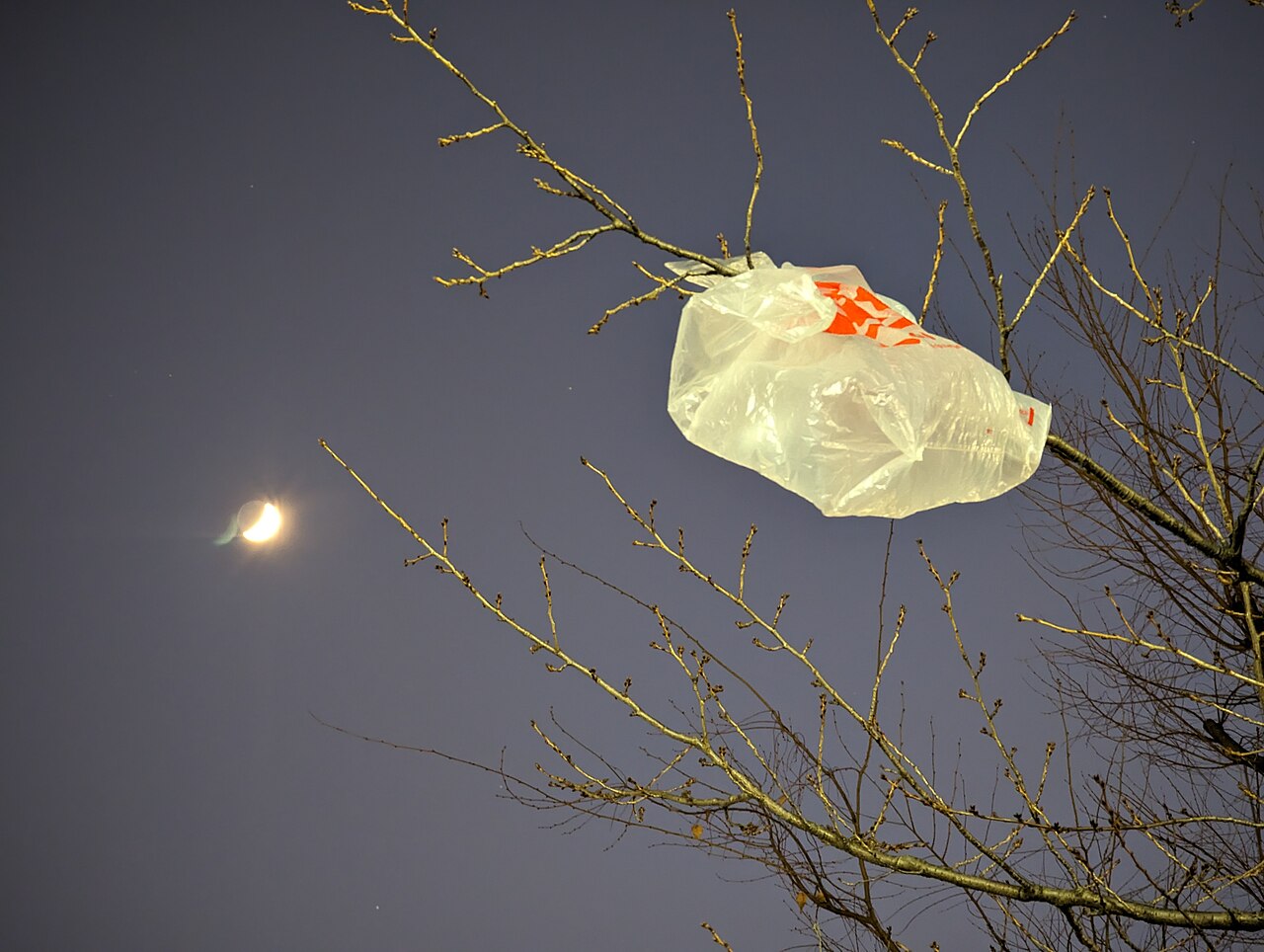
Approximately 400 million tonnes of plastic is produced globally each year, a figure that has grown exponentially since mass production began in the 1950s. Around 8 million tonnes enter the ocean annually, where plastic persists for hundreds of years, breaking down into microplastics — particles smaller than 5mm — that have now been found in every environment studied, from deep ocean sediments to Arctic snow, and in human blood, breast milk and placenta.
Why recycling alone is not enough
Only 9% of all plastic ever produced has been recycled. The remainder has been incinerated (12%) or accumulated in landfill and the environment (79%). Plastics are difficult and expensive to recycle: many types cannot be recycled at all, contamination in collections reduces the quality of recyclate, and virgin plastic is typically cheaper than recycled plastic. Recycling is necessary but cannot solve the problem alone.
The more promising approaches
Extended producer responsibility (EPR) schemes require manufacturers to fund the collection and recycling of their packaging. When companies pay the full cost of managing their products after use, they have financial incentives to design for recyclability and reduce unnecessary packaging. The UK is implementing EPR from 2025. Deposit return schemes for bottles have achieved recovery rates of over 90% in countries where they operate.
The global treaty
A UN global plastics treaty has been under negotiation since 2022. The most ambitious proposals would cap plastic production — targeting the problem at source. The treaty represents the most significant opportunity to address plastic pollution systemically.
Frequently asked questions
Is this article accurate?
We apply a two-source minimum for factual claims and update articles when information changes significantly.
When was this published?
See the publication date in the byline above. We note significant updates with a revised date.


Join in — free. Comments on Daily Junction are for members, so real names stay rare and bots stay out.
One field. We email you a 6-digit code — no password needed. Your comment is kept while you do it.
Under 13? You’ll need a parent’s OK first — it takes them one click.