
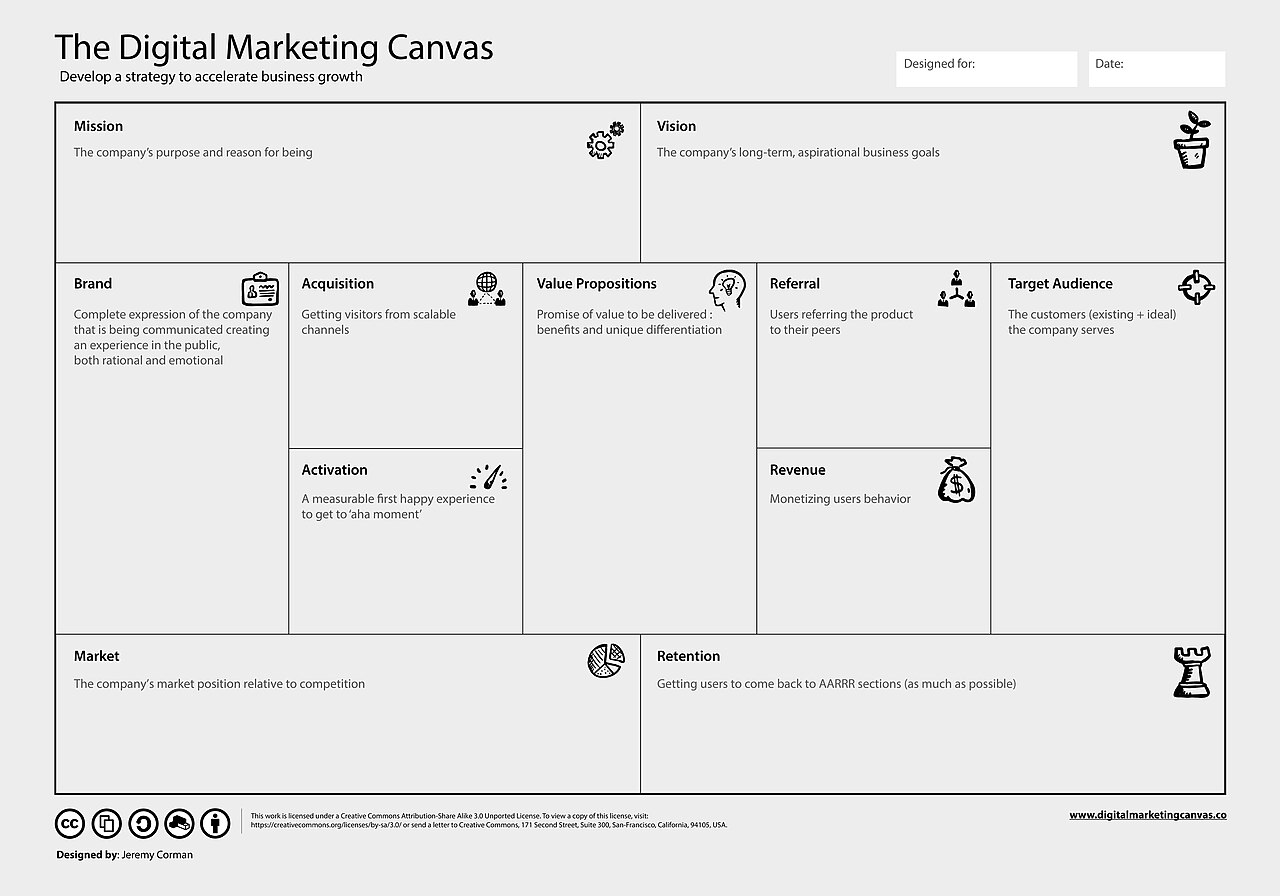
Australian digital marketing is moving faster in 2026 than at any point in the past decade. For small and medium enterprises across the country, keeping pace is no longer optional — it is the difference between growth and stagnation. From sweeping privacy reforms to the normalisation of AI-generated content, the strategic environment has shifted considerably since 2024.
Privacy-First Marketing Is Now the Law, Not Just Good Practice
The long-anticipated amendments to the Australian Privacy Act came fully into force earlier this year, and their impact on digital marketing is substantial. Businesses must now obtain explicit, informed consent before collecting behavioural data, and consumers have strengthened rights to request deletion of their personal information.
For marketers, this means the era of frictionless third-party tracking is genuinely over. First-party data — collected directly from customers through newsletters, loyalty programmes, and gated content — has become the most valuable asset a business can hold. Companies that built these pipelines early are reaping the rewards; those that did not are facing a costly rebuild.
"The businesses thriving right now are the ones that treated their customer data like a relationship, not a resource. Consent-first marketing is not a constraint — it is a competitive advantage." — Digital strategy practitioner, Sydney, 2026.
The ACCC has also intensified scrutiny of misleading digital advertising practices, particularly around influencer disclosure and algorithmically targeted promotions. Australian SMEs would be wise to audit their compliance posture before the regulator does it for them.
AI Personalisation and the Content Expectations Gap
Consumers in 2026 expect digital experiences tailored to their context, device, and intent. AI-driven personalisation — once the preserve of enterprise retailers — is now accessible to SMEs through affordable SaaS tooling. The challenge is not capability; it is strategy.

Many small businesses are deploying AI content tools without a coherent editorial framework, producing high volumes of low-differentiation material that search engines and readers alike are learning to filter out. The Australian Bureau of Statistics data on digital business activity consistently shows that structured, audience-specific content strategies correlate with higher conversion rates and lower customer acquisition costs than broad paid media.
The consultancy CM Beyer works with Australian SMEs to build exactly these kinds of grounded strategies — helping businesses identify which channels merit investment, how to structure content for search visibility, and where AI tooling genuinely accelerates output rather than diluting it.
Social Commerce and the Shrinking Path to Purchase
Social commerce has matured rapidly in the Australian market. Platforms that once served purely as discovery channels now facilitate the entire purchase journey without the customer leaving the app. For product-based SMEs, this represents both an opportunity and a logistical challenge — inventory management, customer service, and returns must all be adapted for native social storefronts.
Service businesses are navigating a parallel shift, with short-form video content on TikTok and Instagram Reels becoming a primary channel for brand awareness among under-35 audiences. The key insight from practitioners is that authenticity consistently outperforms production value: an unscripted thirty-second walkthrough of a real client result will typically outperform a polished sixty-second brand advertisement.
For SMEs unsure where to begin, CM Beyer's digital marketing resources offer practical guidance on channel selection and content frameworks suited to the Australian market.
The broader picture for Australian SMEs in 2026 is one of consolidation: fewer channels, deeper investment, and a stronger emphasis on owned audiences over rented reach. Businesses that understand this shift — and act on it — are well placed for sustained growth. For further reading, explore our guides on building an email marketing strategy and understanding search intent for small businesses.
Frequently asked questions
How is the updated Australian Privacy Act affecting digital marketing?
Amendments to the Privacy Act require businesses to obtain clearer consent for data collection, limit retention periods, and provide Australians with stronger rights to access and delete their data. This means marketers must prioritise first-party data strategies and transparent opt-in mechanisms.
Is social commerce worth investing in for Australian SMEs?
Yes. Australian consumers increasingly complete purchases without leaving social platforms. TikTok Shop, Instagram Shopping, and Pinterest Checkout have all reported strong growth in Australia, making native social storefronts a practical channel for product-based SMEs.
What is the most cost-effective digital marketing channel for Australian small businesses in 2026?
Organic search, supported by a structured content strategy, continues to deliver the strongest long-term return on investment. Pairing SEO with email marketing and a lean paid search budget typically outperforms broad social advertising for SMEs with limited budgets.
Join in — free. Comments on Daily Junction are for members, so real names stay rare and bots stay out.
One field. We email you a 6-digit code — no password needed. Your comment is kept while you do it.
Under 13? You’ll need a parent’s OK first — it takes them one click.