
The United Nations is one of the most talked-about institutions in the world and one of the least understood. It is praised as humanity's best hope for peace and dismissed as a powerless talking shop, often in the same breath. The truth sits between those extremes, and it starts with understanding what the organisation is actually designed to do.
What the United Nations is
The United Nations is an organisation of nearly all the world's sovereign states, created after the Second World War to prevent another global conflict and to encourage cooperation on shared problems. It is not a world government and has no power to make laws over citizens.
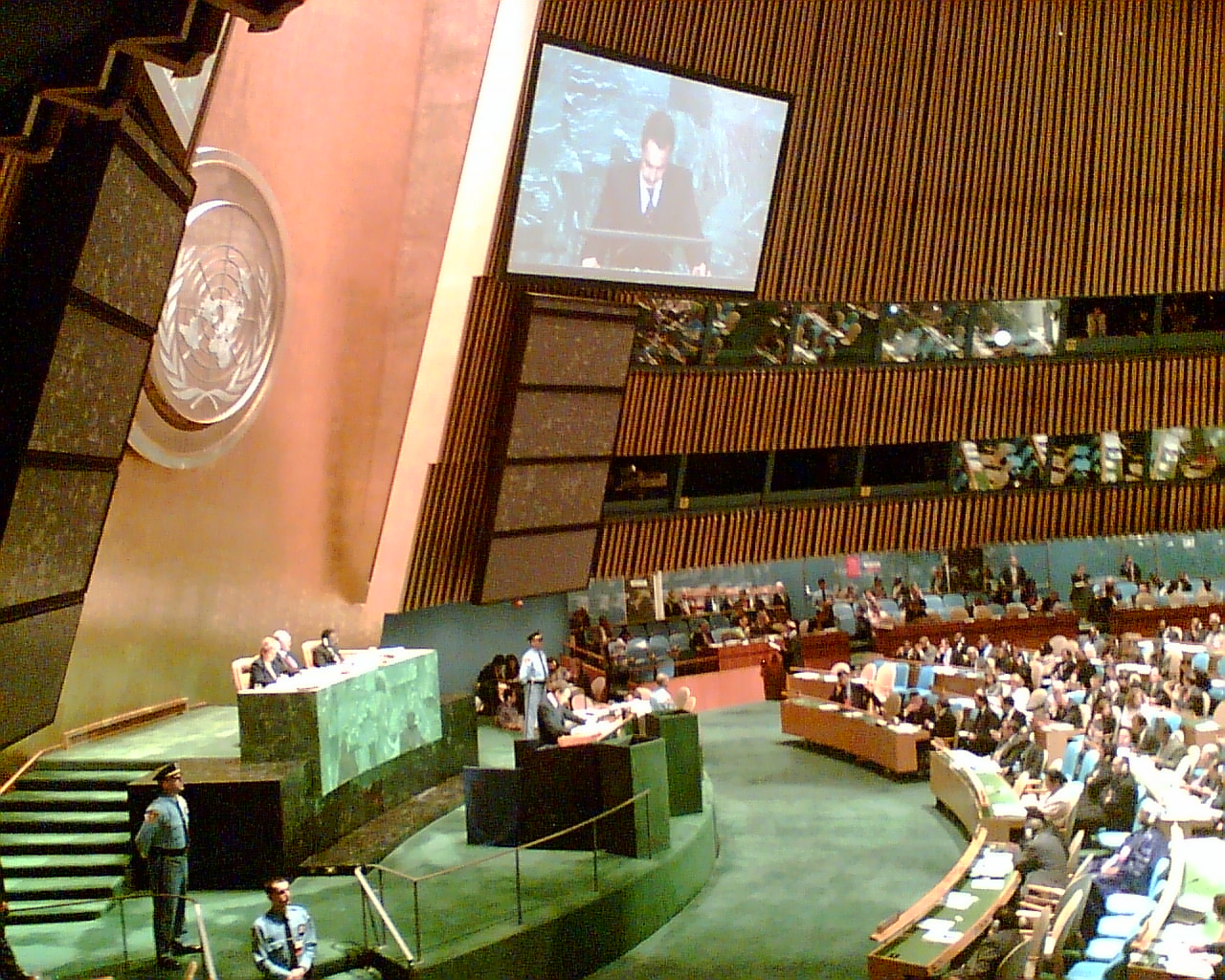
Its founding document, the UN Charter, sets out broad goals: maintaining international peace and security, developing friendly relations between nations, promoting human rights, and fostering social and economic progress. Almost every recognised country is a member, which makes the UN unique as a place where adversaries and allies alike must sit in the same room.
The main bodies
The UN is built around a handful of principal organs. Two matter most for understanding how it works.
- The General Assembly is the closest thing the world has to a global meeting hall. Every member state has a seat and a single vote, regardless of size or wealth. It debates issues, sets budgets, and passes resolutions. Most of those resolutions are recommendations rather than binding orders, but they carry real weight as expressions of international opinion.
- The Security Council is the body with teeth. It has a small membership, including five permanent members and several rotating ones. It is responsible for peace and security, and its decisions can be binding under the Charter. It can impose sanctions or authorise the use of force.
A defining feature of the Security Council is the veto. Each of the five permanent members can block a substantive decision on its own. This often frustrates action, but it was a deliberate design choice: the founders judged that without it, the most powerful states would simply walk away.
Other organs include a Secretariat, headed by the Secretary-General, which runs day-to-day administration; an International Court of Justice, which settles legal disputes between states; and an Economic and Social Council that coordinates development work.
The agencies that do the work
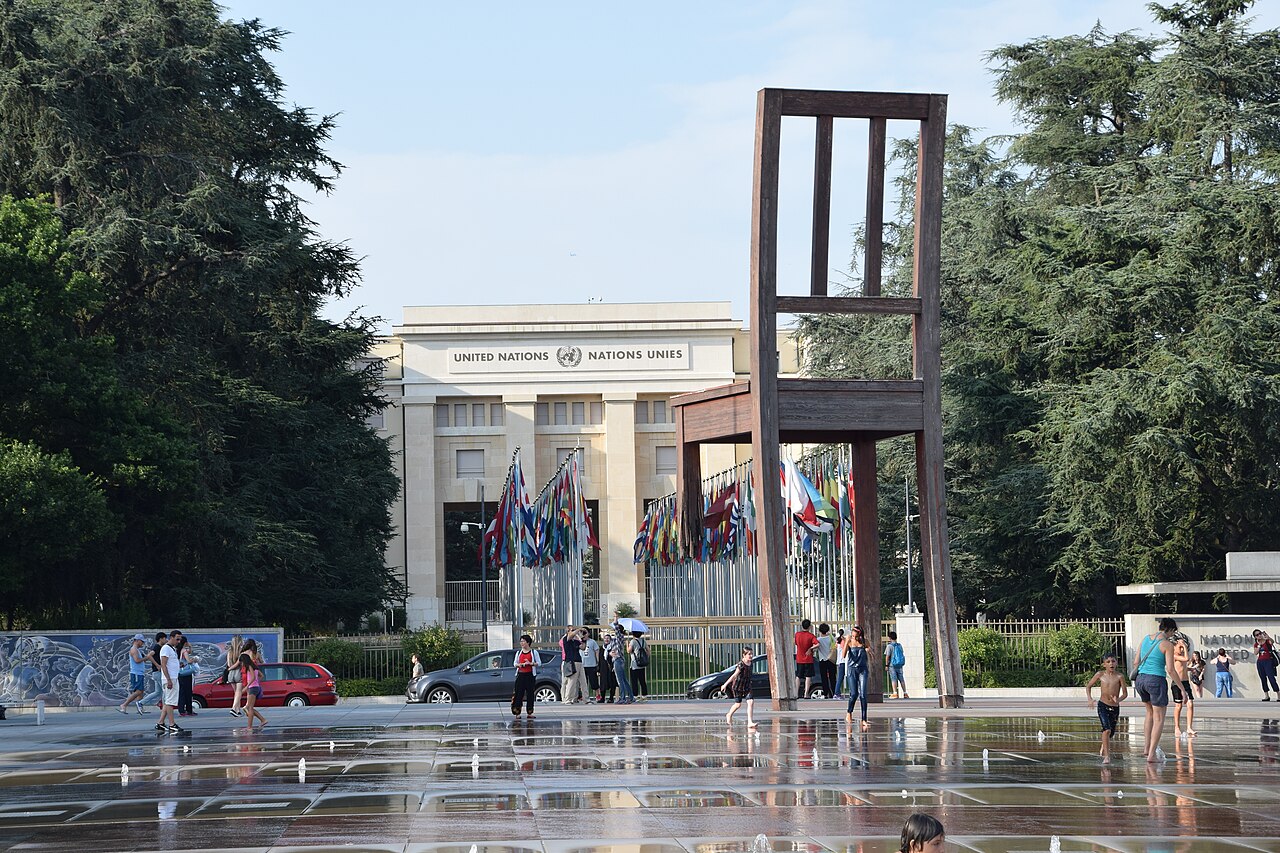
Much of what people experience as "the UN" is actually a family of specialised agencies, funds and programmes. These do an enormous amount of practical work, often far from headquarters and far from the headlines.
- A global health body coordinates responses to disease outbreaks and sets health standards.
- A refugee agency protects and assists people forced to flee their homes.
- A children's fund delivers vaccines, nutrition and education in crises.
- A food programme moves emergency supplies to regions facing famine.
- Bodies for labour, education, science and culture set norms and run programmes in their fields.
These agencies are where the abstract goals of the Charter become tents, vaccines, food convoys and classrooms.
Peacekeeping and humanitarian work
When a conflict cools enough for a settlement, the UN may deploy peacekeepers to help hold the peace. These are troops and police contributed voluntarily by member states, wearing blue helmets to mark their neutral role. Their tasks can include monitoring ceasefires, protecting civilians, clearing mines and supporting elections.
Peacekeeping has clear limits. Missions need a mandate from the Security Council, troops from willing countries, and at least minimal cooperation from the parties on the ground. Where those are missing, results disappoint.
The UN works best as a convener and coordinator. It is at its weakest when asked to impose outcomes that powerful members or local actors are determined to resist.
On the humanitarian side, the UN coordinates relief after earthquakes, floods, droughts and wars, helping channel aid and avoid duplication among governments and charities.
The honest limits on its power
Understanding the UN means being honest about what it cannot do.
- It has no army and no police force of its own. Every soldier and every dollar comes from member states, who can withhold both.
- It cannot override sovereignty. Members guard their independence closely, and the Charter respects it.
- The veto can stall action precisely when great powers disagree, which is often when action matters most.
- It depends on cooperation. When members ignore resolutions, the UN has few ways to compel them.
These constraints are not bugs so much as the price of getting nearly every country to participate at all. An organisation with real power over states would never have won universal membership.
The bottom line
The United Nations is best understood not as a world government but as a permanent meeting place and a vast coordinator of practical work. Its grand bodies set the tone and occasionally authorise action, while its agencies quietly deliver health, food and protection to millions. Its power is real but bounded, resting entirely on the willingness of its members to act. Judged against that design, it is neither the saviour nor the failure it is often made out to be.
Frequently asked questions
Is the United Nations a world government?
No. The UN is an organisation of independent states, not a government over them. It cannot make laws for citizens or override national sovereignty. Most of what it does depends on members choosing to cooperate.
What is the difference between the General Assembly and the Security Council?
The General Assembly includes every member state, each with one vote, but its resolutions are generally recommendations. The Security Council has fewer members and can make decisions that are binding under the UN Charter, including authorising sanctions or the use of force.
Why do some Security Council members have a veto?
Five permanent members can block a substantive decision with a single negative vote. This was built into the system in 1945 so that the most powerful states would join and stay engaged, on the logic that major powers acting against the body would render it ineffective anyway.
Does the UN have its own army?
No. Peacekeeping forces are soldiers and police contributed voluntarily by member states, who remain under national command in many respects. The UN cannot deploy force without member cooperation and a mandate.
Join in — free. Comments on Daily Junction are for members, so real names stay rare and bots stay out.
One field. We email you a 6-digit code — no password needed. Your comment is kept while you do it.
Under 13? You’ll need a parent’s OK first — it takes them one click.