
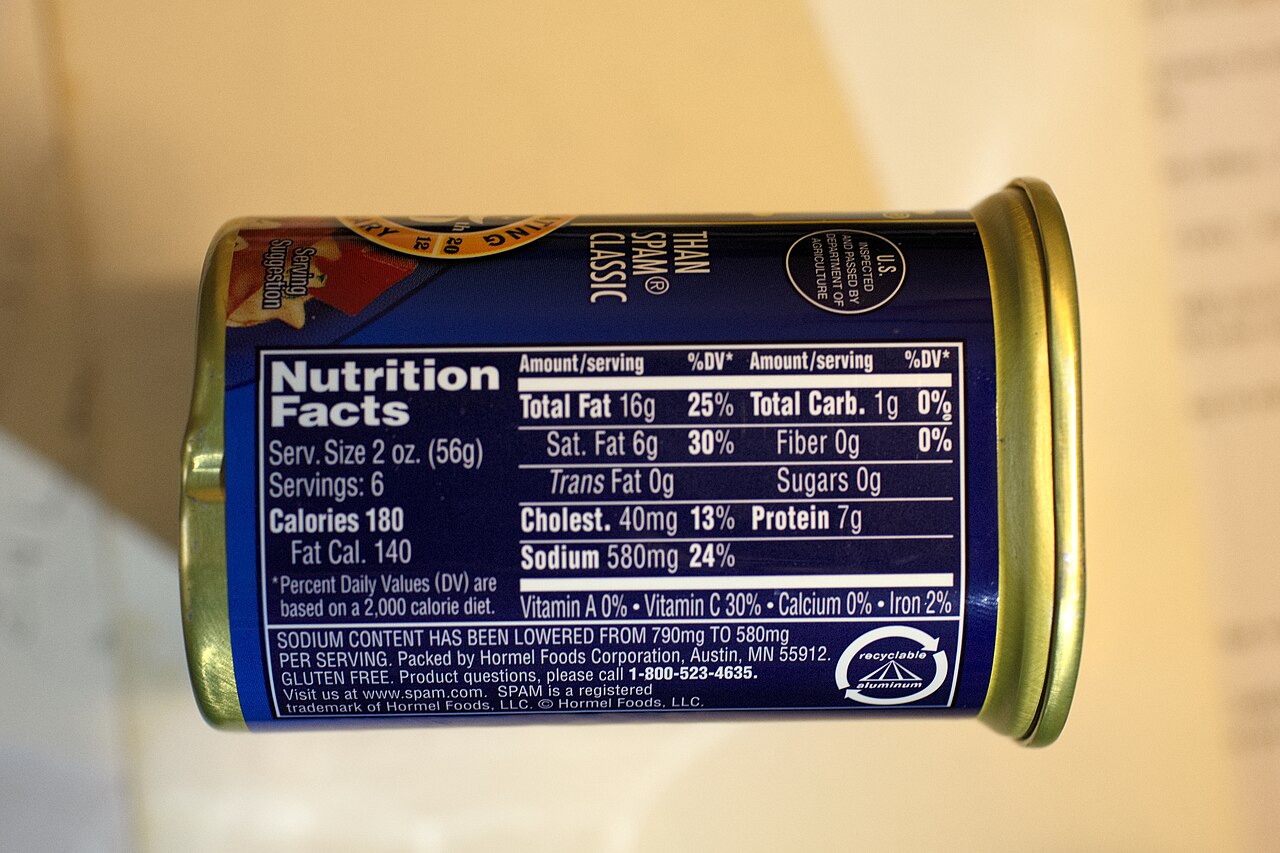
The nutrition label is one of the most useful tools you carry into a grocery store, yet most of us barely glance at it. Tucked onto the back of nearly every packaged food is a small box that tells you exactly what is inside. Learning to read it takes a few minutes and pays off for years.
What a nutrition label is for
A nutrition label is a standardised summary of a food's energy and nutrient content, designed so you can compare products and understand what you are eating. It is not there to tell you a food is "good" or "bad" — it is there to give you facts. Reading it well means knowing which numbers matter and how to put them in context.
We will work through it in the order it makes sense to read: serving size first, then calories, then the nutrients, then the percentages, and finally the ingredient list.
Start with the serving size
The single most important number on the label sits right at the top: the serving size.
Everything else on the label — calories, fat, sugar, sodium — is listed per serving, not per package. This is where labels most often mislead people. A small bag of snacks may look modest until you notice it contains two or three servings, which means you have to multiply every number if you eat the whole thing.
So before anything else:

- Check the serving size.
- Check how many servings are in the container.
- Compare the serving size to how much you actually plan to eat.
Get this right and the rest of the label falls into place.
Calories: the energy measure
Below the serving size you will find calories, which measure how much energy one serving provides. Calories are not the whole story of a healthy diet, but they are a useful gauge of how energy-dense a food is.
The key, again, is the serving size. A food that looks low in calories per serving can add up quickly if the servings are small and you eat several. Use calories as one piece of information, not the only one.
The nutrients to watch
Labels break food down into nutrients. A simple way to read them is to sort them into two groups.
Nutrients to get less of. Most people consume too much of these, so the goal is to keep them lower:
- Saturated fat
- Sodium (salt)
- Added sugars — sugars put into the food during processing, listed separately from naturally occurring sugars.
Nutrients to get more of. These are ones many people fall short on:
- Dietary fibre
- Vitamins and minerals such as calcium, iron, potassium and vitamin D.
A quick mental shortcut: scan for added sugars, sodium and saturated fat to keep low, and fibre, vitamins and minerals to push higher.
Make sense of percent daily value
To the right of many nutrients is a percentage: the Percent Daily Value, or %DV. This tells you how much one serving contributes to a typical daily diet for that nutrient.
The handy rule of thumb is:
- 5% DV or less is low in that nutrient.
- 20% DV or more is high in that nutrient.
You can use this to make fast judgements. For something you want less of, like sodium, low %DV is good. For something you want more of, like fibre, high %DV is good. It also makes comparing two products easy — just look at which has more of what you want and less of what you do not.
Read the ingredient list
Finally, turn to the ingredient list, which sits near the label. There is one rule that unlocks it: ingredients are listed by weight, from most to least.
That means the first few ingredients make up the bulk of the product. If a refined grain, oil or a form of sugar appears at or near the top, the food is largely made of it. Sugar can also hide under many names, so a product with several different sweeteners spread through the list may contain more total sugar than it first appears.
A short ingredient list of recognisable items is often (though not always) a sign of a less heavily processed food. The list will also flag common allergens, which matters if you need to avoid them.
The bottom line
A nutrition label is readable in under a minute once you know the order of operations: serving size first, then calories, then scan the nutrients to limit and the ones to favour, use the 5%/20% rule on percent daily value, and check what the food is actually made of in the ingredient list. None of it requires expertise — just the habit of turning the package over before it goes in the trolley.
Frequently asked questions
What should I look at first on a nutrition label?
Start with the serving size. Every other number on the label - calories, fat, sugar and so on - applies to one serving. If you eat two servings, you are getting double everything listed.
What does percent daily value mean?
Percent Daily Value (%DV) tells you how much a nutrient in one serving contributes to a typical daily diet. A common rule of thumb is that 5% DV or less is low and 20% DV or more is high for that nutrient.
Which nutrients should I limit?
Health authorities generally advise limiting added sugars, sodium (salt) and saturated fat, since most people get more of these than is ideal. Use the %DV to keep them lower across the day.
Why does ingredient order matter?
Ingredients are listed by weight, from most to least. So the first few ingredients make up the bulk of the product. If sugar or a refined grain is near the top, the food is largely made of it.


Join in — free. Comments on Daily Junction are for members, so real names stay rare and bots stay out.
One field. We email you a 6-digit code — no password needed. Your comment is kept while you do it.
Under 13? You’ll need a parent’s OK first — it takes them one click.