

Feeling constantly drained, out of breath on the stairs and looking a little washed out are easy to dismiss as the effects of a busy life. But they are also classic signs of one of the most common nutritional deficiencies in the UK and worldwide: a shortage of iron. The good news is that it is straightforward to diagnose and usually simple to treat. Here is what iron deficiency is and what to do about it. This is general information, not medical advice — for your own symptoms speak to your GP, pharmacist or NHS 111.
What iron deficiency is
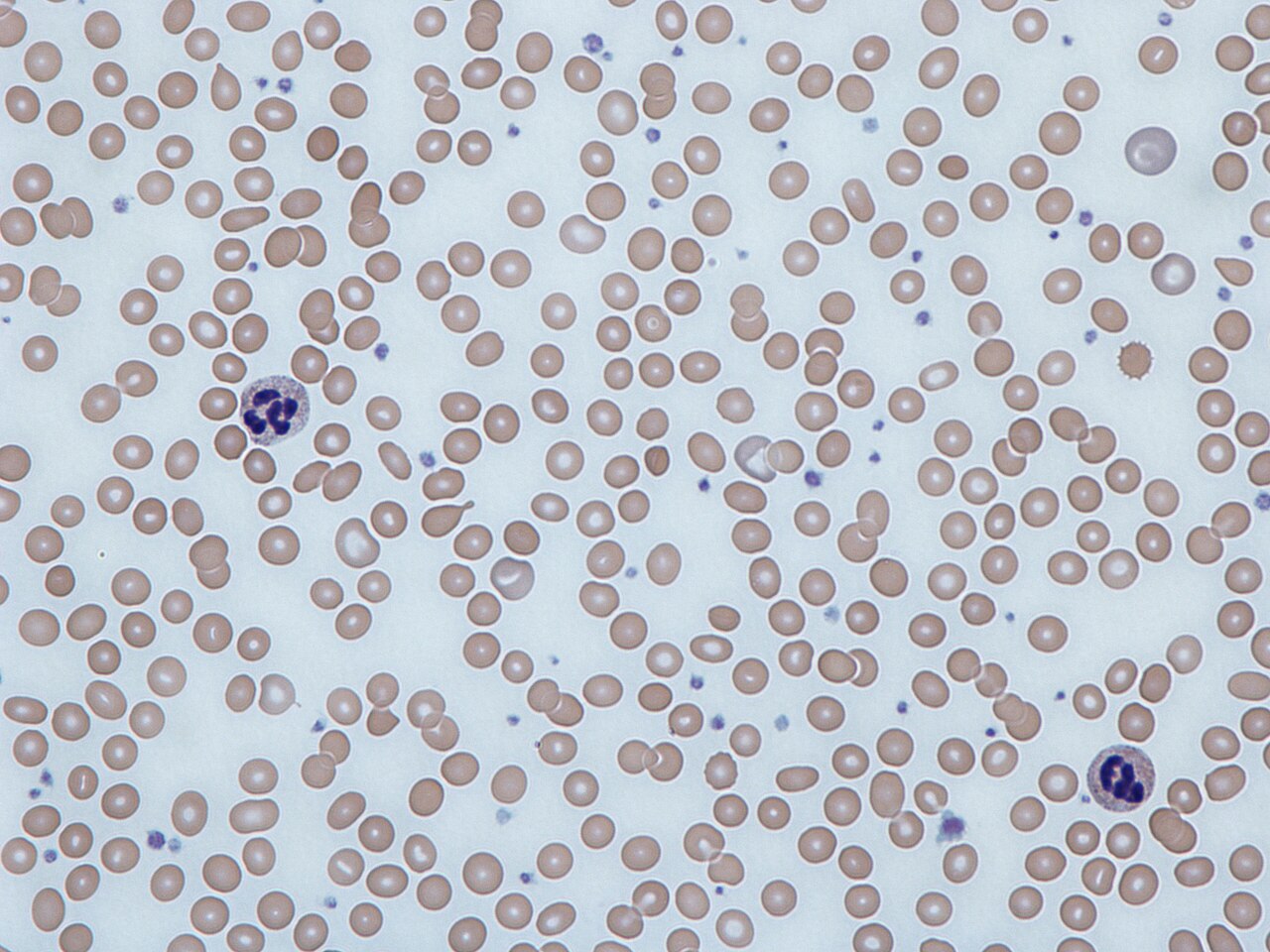
Iron deficiency is a state in which the body does not have enough iron to function properly, particularly to make healthy red blood cells. Iron is a mineral, and one of its most important jobs is helping produce haemoglobin — the protein in red blood cells that binds oxygen in the lungs and carries it to every tissue in the body.
When iron runs short, the body cannot make enough healthy haemoglobin. If the shortfall becomes severe enough that the level of haemoglobin or red blood cells drops below normal, the result is iron deficiency anaemia. Because oxygen delivery is at the heart of how we feel and function, a lack of iron tends to show up as tiredness, breathlessness and a general lack of go.
It helps to picture it as a continuum. First the body's iron stores fall, often without symptoms. Only later, as those reserves are exhausted, does production of red blood cells suffer and anaemia develop. This is one of the most prevalent of all the body's micronutrient shortfalls, especially among women of reproductive age.
What iron does
Iron's central role explains the symptoms of deficiency:
- Carrying oxygen. Through haemoglobin, iron lets red blood cells transport oxygen from the lungs to the rest of the body. It also features in myoglobin, which stores oxygen in muscle.
- Releasing energy. Iron is involved in the processes that turn food into usable energy, which is why fatigue is such a prominent symptom.
- Supporting normal function of the immune system and many enzymes.
Because oxygen and energy underpin almost everything, even a modest deficiency can leave you feeling flat and breathless, and can subtly raise your resting heart rate as the heart works harder to move oxygen around with fewer red cells to do the job.
The signs to look for
Symptoms often develop gradually, so they can be easy to attribute to other things. The most common include:
- Tiredness and a lack of energy — usually the first and most noticeable sign.
- Shortness of breath, especially on exertion.
- Heart palpitations — a sense of noticeable or irregular heartbeats.
- Pale skin.
- Headaches.
Less common but recognised signs include:
- Brittle or spoon-shaped nails
- Hair thinning or loss
- A sore, smooth tongue
- Cracks at the corners of the mouth
- Itchy skin
- Unusual cravings to eat non-food items such as ice, a phenomenon called pica
These symptoms overlap heavily with other conditions — vitamin B12 deficiency, an underactive thyroid and simple exhaustion can all look similar — which is exactly why testing matters rather than guessing.
What causes it
Iron deficiency comes down to taking in too little iron, absorbing too little, or losing too much through bleeding. The main causes are:
- Blood loss. This is the most common cause in adults. In women, heavy menstrual periods are a frequent culprit. In both sexes, slow bleeding from the digestive system — for example from a stomach ulcer, the regular use of certain painkillers, or other gut conditions — can deplete iron over time.
- Pregnancy. The growing baby and expanded blood volume increase iron demand substantially, so deficiency is common and often checked for.
- Diet. Not getting enough iron-rich food can contribute, particularly in vegetarians and vegans, fussy eaters and during periods of rapid growth.
- Poor absorption. Conditions such as coeliac disease can stop the gut absorbing iron properly.
Because some causes — particularly unexplained bleeding from the gut — can be significant, a doctor will often want to understand why iron is low, not simply top it up.
Iron in your diet
Two types of dietary iron behave differently in the body:
- Haem iron, found in animal foods such as red meat, liver and offal, is absorbed relatively easily.
- Non-haem iron, found in plant foods, is absorbed less efficiently.
Good food sources include:
- Red meat and liver (though pregnant women are advised to avoid liver)
- Beans, lentils and chickpeas
- Tofu
- Nuts and seeds
- Dried fruit such as apricots
- Fortified breakfast cereals
- Dark green leafy vegetables such as spinach and kale
A couple of practical tips help, especially for plant-based eaters. Vitamin C boosts the absorption of non-haem iron, so pairing iron-rich plant foods with something like citrus fruit, peppers or tomatoes is useful. Conversely, tea and coffee can reduce iron absorption when drunk with meals, so it can help to have them between meals instead.
Diagnosis and treatment
If you have symptoms, the right step is to see a GP for a simple blood test. A full blood count can reveal anaemia, and further tests such as ferritin (a measure of iron stores) help confirm an iron deficiency. The GP may also ask about your diet, periods and any signs of bleeding to work out the cause.
Treatment usually has two parts:
- Correcting the iron level, commonly with iron tablets prescribed for a period of months to rebuild stores. These can cause side effects such as constipation, stomach upset and dark stools; a pharmacist can advise on managing them.
- Addressing the underlying cause, whether that is treating heavy periods, investigating possible gut bleeding, or adjusting the diet.
Treating the low iron without finding out why it happened can mean missing the real problem. The cause matters as much as the number.
A word of caution on supplements: do not start iron tablets on your own without advice. Too much iron can be harmful, supplements interact with some other conditions and medicines, and taking them blindly can mask a deficiency whose cause needs investigating. Iron supplements are best taken on the recommendation of a GP or pharmacist.
The bottom line
Iron deficiency is a lack of the iron your body needs to make haemoglobin and carry oxygen, and when it is severe enough it causes iron deficiency anaemia. The hallmark signs are tiredness, breathlessness, palpitations and pale skin, though they overlap with several other conditions. Heavy periods, pregnancy, gut bleeding and a low-iron diet are the usual causes. Iron-rich foods — paired with vitamin C and kept apart from tea and coffee — support healthy levels, but if you have symptoms, see a GP for a blood test rather than reaching for supplements unadvised.
Frequently asked questions
What is iron deficiency?
Iron deficiency is when the body does not have enough iron, a mineral it needs to make haemoglobin, the substance in red blood cells that carries oxygen around the body. If it becomes severe, it leads to iron deficiency anaemia.
What are the symptoms of low iron?
Common symptoms include tiredness and lack of energy, breathlessness, noticeable heartbeats (palpitations), pale skin, and headaches. Less common signs include brittle nails, hair loss, a sore tongue, cracks at the corners of the mouth, and unusual cravings for non-food items such as ice.
Which foods are high in iron?
Good sources include red meat, liver, beans, lentils, tofu, nuts, dried fruit such as apricots, fortified breakfast cereals, and dark green leafy vegetables. Iron from meat is absorbed more easily than iron from plant foods, but vitamin C helps the body absorb plant iron.
Should I take iron supplements?
Only if advised to. Iron supplements can cause side effects and too much iron can be harmful, so they should be taken on the recommendation of a GP or pharmacist after the cause of any deficiency has been considered, rather than started on your own.

Join in — free. Comments on Daily Junction are for members, so real names stay rare and bots stay out.
One field. We email you a 6-digit code — no password needed. Your comment is kept while you do it.
Under 13? You’ll need a parent’s OK first — it takes them one click.