

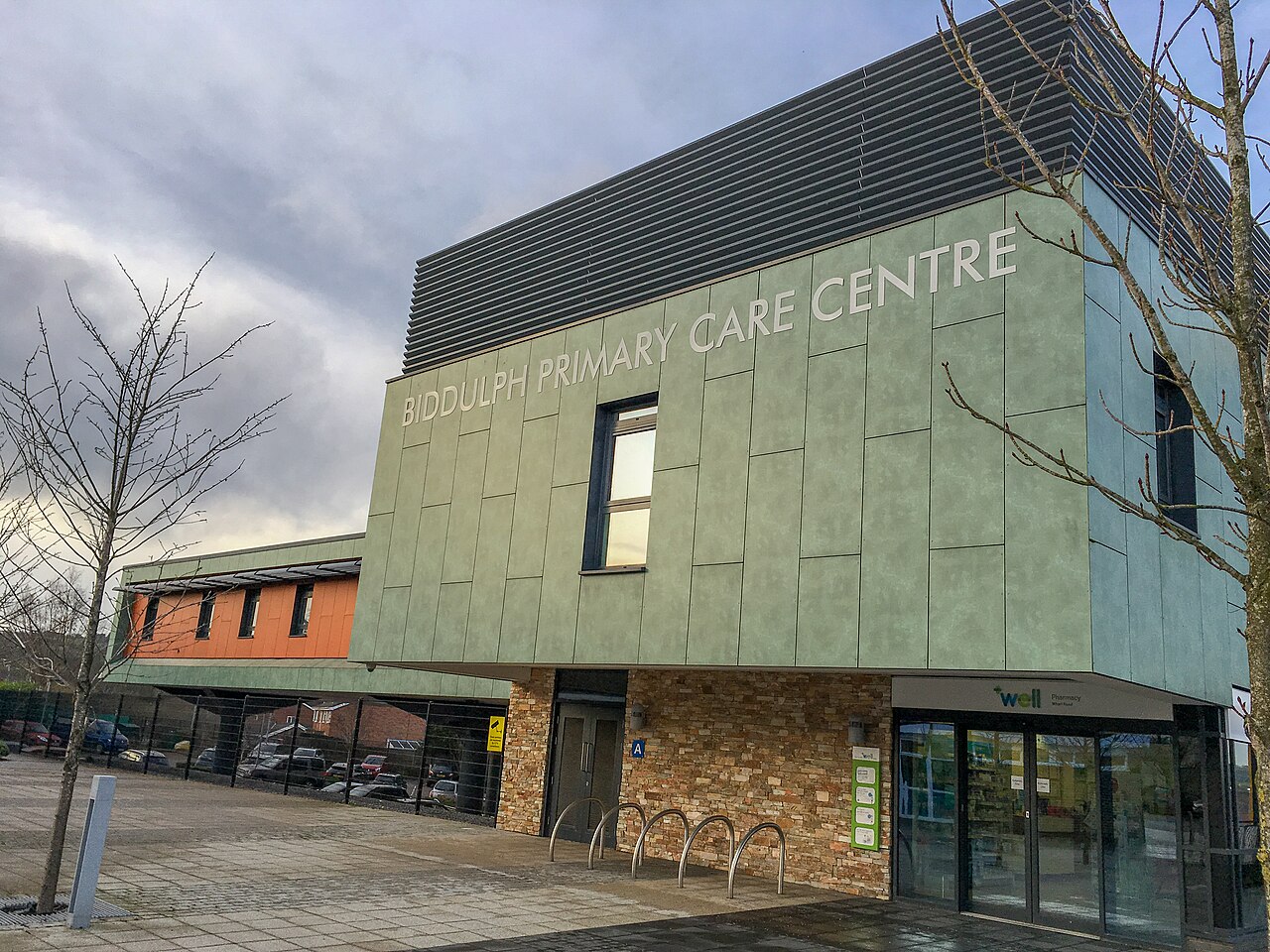
The 8am phone scramble, the online form that asks what your problem is before offering anything, the receptionist's questions that feel like an interrogation: general practice has changed its front door, and the change is widely experienced as a barrier. Understanding what it is actually doing, and why it exists, makes the system considerably easier to use.
The old model was a booking system: appointments existed, and whoever called first got them, regardless of need. That model quietly died of arithmetic. Consultations in general practice run at record volumes while the number of fully qualified, full-time-equivalent GPs has fallen over the past decade, and the population has grown older and more complex. When demand reliably exceeds supply, first-come allocation gives the 8am redial champion a slot for a repeat prescription while a breathless pensioner who called at nine gets nothing. Triage is the replacement: every request is described, briefly assessed by clinical rules or a duty clinician, and routed to the right response, which might be an urgent same-day call, a routine appointment, a pharmacist, a physiotherapist, or a prescription issued without any appointment at all.
The workforce behind the door has diversified for the same reason. Practices now employ pharmacists for medication reviews, first-contact physiotherapists for joint and back problems, paramedics for home visits and mental-health practitioners alongside GPs. Routing to these roles is not fobbing off; for the conditions they cover, they are often faster and no less capable, and each such consultation preserves a GP slot for the medically tangled.
Using the system as designed
The practical consequence is that the description you give now determines your care. Vague requests, "I need to see a doctor", give the triage process nothing and tend to earn the default routine slot. Specifics change outcomes: what the symptom is, how long, what is getting worse, what you fear it might be, and any red-flag features you know of. The form is not bureaucracy between you and care. It is the consultation's first minute, happening in writing.
Two safeguards are worth knowing. Nothing in triage removes the right to urgent assessment when symptoms are alarming, and anyone with emergency features should bypass the process entirely via 999 or A&E. And continuity still exists on request: patients with ongoing conditions can and should ask to be booked with the clinician who knows them, since evidence links continuity of care to better outcomes and fewer admissions.
The front door will keep evolving, and reasonable criticism continues about digital exclusion and variation between practices. But the underlying trade is fixed until the workforce grows: the system stopped selling appointments to the fastest and started allocating clinical time by stated need. Patients who state their need well are the ones the new design serves best.
Join in — free. Comments on Daily Junction are for members, so real names stay rare and bots stay out.
One field. We email you a 6-digit code — no password needed. Your comment is kept while you do it.
Under 13? You’ll need a parent’s OK first — it takes them one click.