

Where things have settled
The post-pandemic working arrangement that has emerged as most common in UK knowledge work is hybrid: typically two to three days in the office, with the remainder at home. Fully remote roles have declined from their pandemic peak; fully in-office mandates for roles that were demonstrated to work remotely have faced significant employee resistance and attrition.
What the evidence shows on productivity
Research on productivity in remote versus office settings presents a complex picture. Stanford economist Nicholas Bloom's research — including a large randomised controlled trial of hybrid vs. in-person work — found that hybrid arrangements preserved productivity for established employees while maintaining the in-person collaboration and mentoring that supports junior employee development. Fully remote arrangements showed benefits for individual-contributor tasks and significant costs for collaborative and creative work.
The return-to-office trend
Large employers including Amazon, Goldman Sachs, JPMorgan, Google and others have moved toward greater return-to-office requirements in 2023-2024, citing collaboration, culture and mentoring concerns. These moves have been unpopular with employees, and some companies have faced voluntary attrition when requirements were enforced. The outcome appears to be stabilisation at hybrid arrangements for most knowledge work employers rather than a full return to 2019 patterns.
The commuting factor
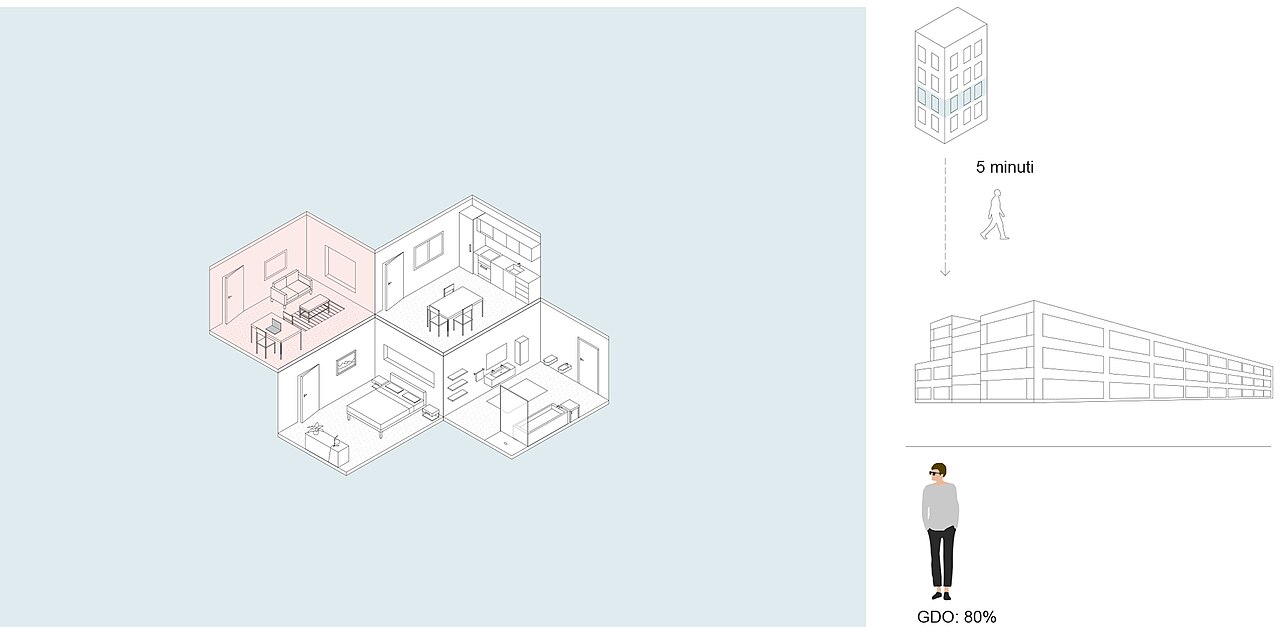
The single most consistent finding in surveys of employee preferences for remote working is commuting time: employees who save significant commuting time value remote working most highly and resist losing that time. In cities with long average commutes (London, where the average daily commute is around 75 minutes each way), the resistance to full return-to-office is particularly strong.
Frequently asked questions
Can I republish or share this article?
Our content is copyright Daily Junction. You may share links freely, but please do not reproduce full articles without permission.
How do I suggest a correction?
Please use our contact form to flag any factual errors. We take editorial accuracy seriously and publish corrections promptly.

Join in — free. Comments on Daily Junction are for members, so real names stay rare and bots stay out.
One field. We email you a 6-digit code — no password needed. Your comment is kept while you do it.
Under 13? You’ll need a parent’s OK first — it takes them one click.