

The House of Lords is one of the more puzzling features of British democracy: a powerful part of Parliament whose members nobody votes for. It is often in the news — revising a controversial bill, clashing with the government, or at the centre of debates about reform — yet its actual role is widely misunderstood. Here is a clear explainer of what the House of Lords is, who sits in it, what it does, and how its powers compare with the elected House of Commons.
What the House of Lords is
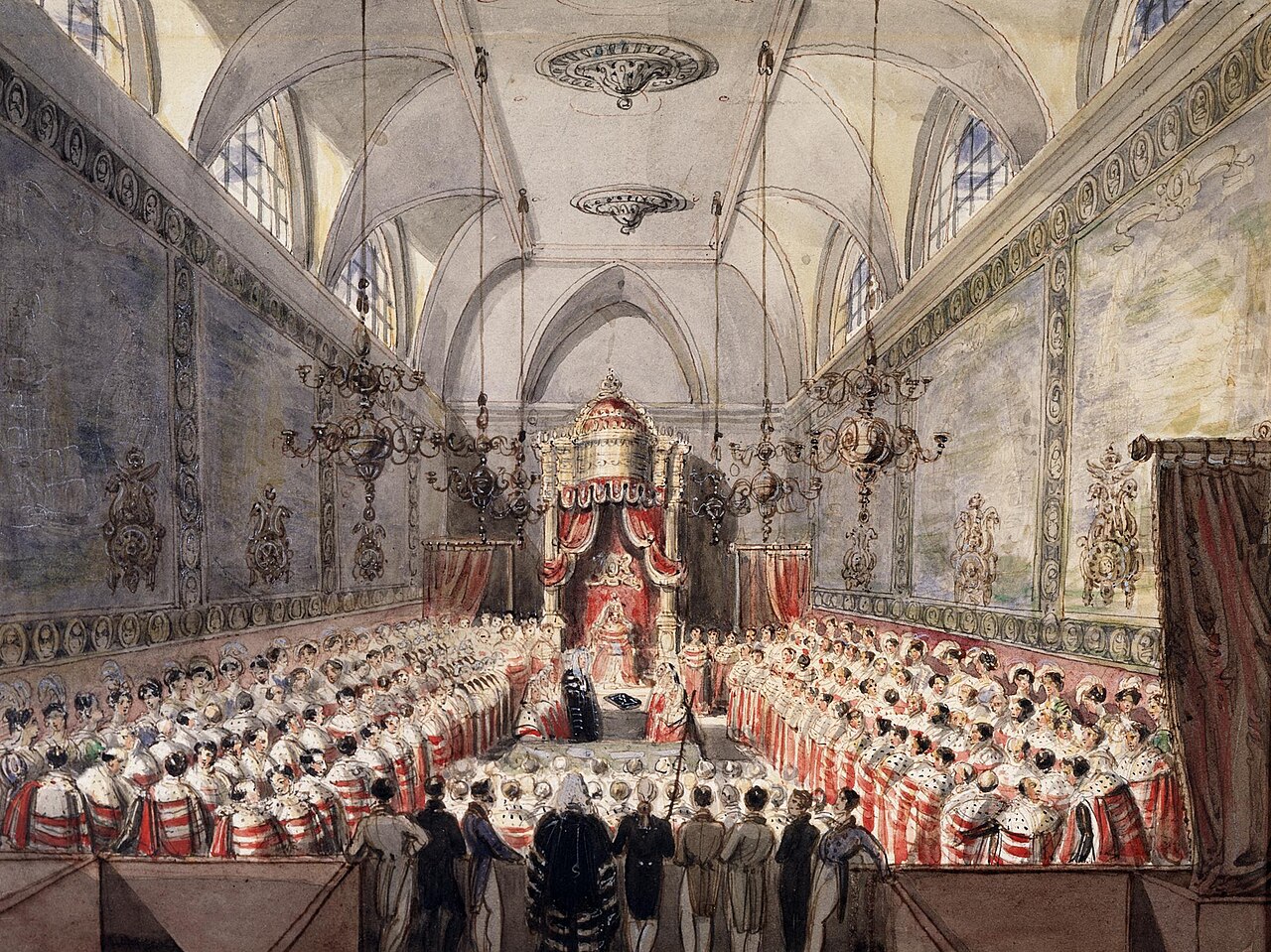
The House of Lords is the second chamber of the UK Parliament, working alongside the elected House of Commons to make laws and hold the government to account. Parliament is bicameral, meaning it has two chambers, and the Lords is sometimes called the "upper house", though in practice it is the less powerful of the two.
Its defining feature is that its members are not elected. They are appointed, and they are known as peers or members of the House of Lords. According to Parliament's own description, the Lords' central purpose is to act as a revising and scrutinising chamber: to examine the work of the government and the laws it proposes, bringing a wide range of expertise to bear, while ultimately deferring to the elected Commons on the biggest decisions.
This combination — real influence over legislation, but no electoral mandate — is what makes the Lords both useful and controversial.
Who sits in the Lords
Membership of the House of Lords comes from a few distinct routes, and unlike the 650 elected seats of the Commons, the chamber has no fixed size.
| Group | How they get there |
|---|---|
| Life peers | Appointed for their lifetime, usually for experience or public service |
| Bishops | A number of senior Church of England bishops, known as the Lords Spiritual |
| Hereditary peers | A limited number remain after reforms reduced their numbers |
- Life peers make up the great majority. They are appointed for life — the title is not passed on to their children — typically on the advice of the prime minister, with nominations from other party leaders and from an independent House of Lords Appointments Commission, which also vets candidates and proposes non-party (crossbench) members.
- The Lords Spiritual are a set number of senior Church of England bishops and archbishops, a reflection of the Church's historic established role.
- Hereditary peers once dominated the chamber, but reforms around the turn of the century removed most of them, leaving a small, capped number.
Many peers sit as crossbenchers, taking no party whip, which gives the Lords a different character from the sharply party-divided Commons. Peers often bring direct experience from medicine, law, science, business, the armed forces, the arts and public administration, and this expertise is frequently cited as the chamber's main justification.
What the House of Lords does
The Lords has three principal functions, all of which complement rather than duplicate the elected chamber.
- Scrutinising and revising legislation. This is the core role. Almost every bill must pass through both Houses, and the Lords goes through proposed laws in detail, suggesting amendments to clarify, improve or soften them. Much of its value lies in this line-by-line revision, catching problems and pressing the government to think again.
- Holding the government to account. Peers question ministers, debate major issues and scrutinise government policy, providing a check beyond the Commons.
- Investigating issues through committees. The Lords runs well-regarded committees that examine subjects in depth — from the constitution to science and the economy — producing reports that inform public debate.
The Lords is best understood as a "revising chamber". Its strength is asking the government to reconsider — sending amendments back to the Commons and inviting a rethink — rather than imposing its own will against the elected House.
This work runs in parallel with the elected chamber, where the day-to-day politics of what an MP does and the outcome of a general election determine who forms the government in the first place.
How its powers differ from the Commons
The crucial point is that the House of Lords is subordinate to the House of Commons, and several conventions and laws keep it that way.
- The Commons is supreme on money. The Lords' power over financial legislation — taxation and spending — is very limited. It cannot block or amend "money bills" in the way it can other legislation, which keeps control of the public finances, and the wider budget process, firmly with the elected chamber.
- The Salisbury Convention. By long-standing convention, the Lords does not vote down legislation that implements the governing party's general-election manifesto, on the grounds that the public has, in effect, endorsed those plans.
- The Parliament Acts. If the two Houses cannot agree, the Parliament Acts ultimately allow the Commons to pass legislation without the Lords' consent after a delay. The Lords can therefore delay and pressure, but not permanently block, the will of the elected House.
So while the Lords can be a thorn in a government's side — and frequently is, sending bills back with amendments — the final word rests with the Commons. The relationship is one of scrutiny and challenge, not rivalry for supremacy.
Debates about reform
Because the Lords is unelected, it is a perennial subject of reform proposals. Supporters argue that appointment brings independence and expertise that an elected chamber might lack, and that its lack of a mandate appropriately limits its power. Critics argue that an unelected body has no place in a modern democracy, point to its large and growing size, and call for an elected or partly elected second chamber. Successive governments have proposed changes, but wholesale reform has repeatedly stalled. For the authoritative, up-to-date position on the chamber's composition and powers, the definitive source is Parliament itself.
The bottom line
The House of Lords is the second chamber of the UK Parliament: an unelected body of life peers, bishops and a few hereditary peers whose main job is to scrutinise and revise legislation and hold the government to account. It brings expertise and independence, especially through its crossbenchers and committees, but it is deliberately the weaker chamber. It cannot meaningfully amend money bills, by convention it does not block the government's manifesto plans, and under the Parliament Acts the elected Commons can ultimately have its way. The Lords improves and challenges laws — but the final decision rests with the people's elected representatives.
Frequently asked questions
What does the House of Lords do?
It is the second chamber of Parliament. Its main roles are to scrutinise and revise proposed laws, to question and check the work of the government, and to investigate public issues through committees. It complements the elected House of Commons.
Is the House of Lords elected?
No. Members of the House of Lords are not elected by the public. Most are life peers appointed on the advice of the prime minister or an independent commission, alongside a number of Church of England bishops and some remaining hereditary peers.
Can the House of Lords block laws?
It can delay and amend laws, but it cannot usually block them indefinitely. By convention it does not vote down measures from the governing party's election manifesto, and under the Parliament Acts the elected Commons can ultimately override the Lords.
What is the difference between the Lords and the Commons?
The House of Commons is elected and is the more powerful chamber, where the government must hold a majority. The House of Lords is appointed and acts as a revising chamber, scrutinising and improving legislation but deferring to the Commons on major decisions.



Join in — free. Comments on Daily Junction are for members, so real names stay rare and bots stay out.
One field. We email you a 6-digit code — no password needed. Your comment is kept while you do it.
Under 13? You’ll need a parent’s OK first — it takes them one click.