
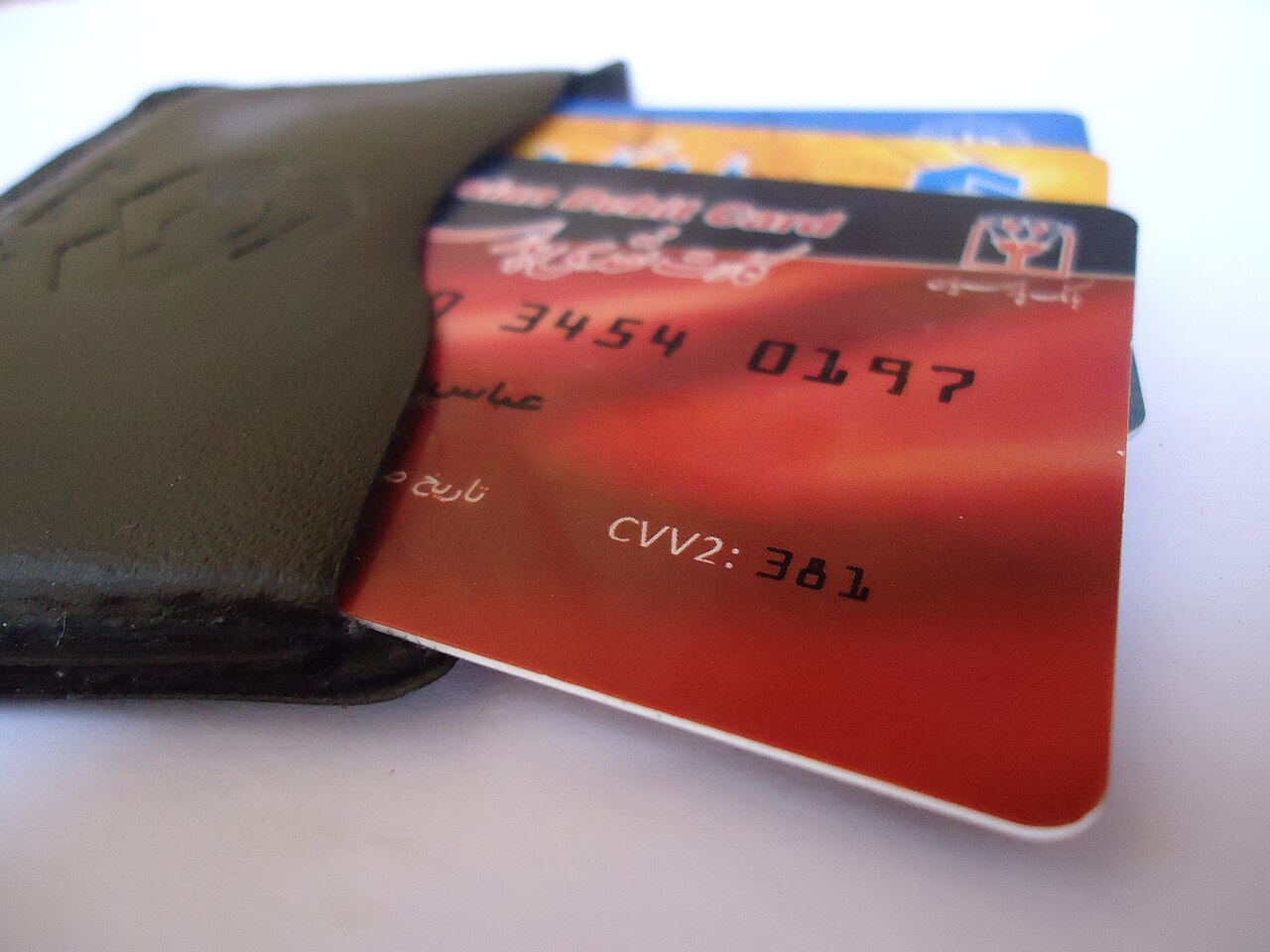
A subscription you cancelled keeps charging your card. A parcel never turns up. A company takes your payment and then quietly goes out of business. In each case there is a quiet, often overlooked tool that can get your money back: chargeback. It works on the debit card most of us use every day, not just on credit cards, and it can succeed even when the retailer has vanished. This guide explains what chargeback is, how it works, when to use it, and how it compares with the better-known Section 75 protection. This is general information, not financial advice.
What chargeback is
Chargeback is a process run by the card schemes, such as Visa, Mastercard and American Express, that lets your bank reverse a card payment and reclaim the money from the retailer's bank when a purchase has gone wrong. Rather than chasing the seller yourself, you ask your own card provider to dispute the transaction on your behalf.
The key thing to understand is that chargeback is not a legal right. It is a set of rules the card schemes operate, and your bank acts as your representative within those rules. That makes it slightly less ironclad than a statutory protection, but also far more flexible: because it is built into the card networks themselves, it can be used on both debit and credit cards, and there is no minimum or maximum purchase value written into law.
That breadth is exactly why chargeback matters. For everyday debit card spending, and for purchases too small to qualify for Section 75 protection, chargeback is often the main route to a refund.
Chargeback is your bank reaching back through the card network to claw money out of the retailer's bank. It is a scheme rule, not a law, but it covers cards Section 75 cannot.
When you can use it
Chargeback is designed for situations where you have paid by card but have not received what you were entitled to. Common grounds include:

- Goods or services not received, such as a parcel that never arrives or an event that is cancelled.
- Goods not as described or significantly different from what was advertised.
- Faulty or damaged items the retailer will not put right.
- A retailer going out of business before delivering.
- Duplicate or incorrect charges, including a subscription that keeps billing after you cancelled.
- Fraudulent transactions you did not authorise (though card fraud is often handled under separate fraud rules).
In all of these, the principle is the same: you paid for something and did not get it, so the payment can be reversed. The retailer's bank then takes the money back from the retailer, which is why chargeback works even against a seller who has stopped trading.
The time limits
The single most important practical detail about chargeback is timing, because the window is strict and unforgiving.
The exact limit depends on the card scheme, but it is commonly around 120 days from the date of the transaction, or from the date you became aware (or should reasonably have become aware) that something had gone wrong. For ongoing problems, such as a service due to be delivered in the future, the clock may start later, and some schemes set an overall longer-stop deadline measured from the original payment.
The lesson is simple: act quickly. Do not wait months hoping a retailer will eventually respond. As soon as it is clear a purchase has gone wrong and the seller will not fix it, start the chargeback process so you do not fall outside the window. If you leave it too late, even a completely valid claim can be refused on timing alone.
How to make a chargeback claim
The process is handled mostly by your bank, but you need to set it in motion:
- Try the retailer first. Most banks expect you to give the seller a reasonable chance to resolve the issue, so contact them and keep a record of the exchange.
- Contact your card provider. Explain that you want to make a chargeback claim, describe what went wrong, and give the transaction details.
- Provide evidence. Supply receipts, order confirmations, screenshots, tracking information and your correspondence with the retailer.
- Wait for the dispute. Your bank raises the chargeback with the retailer's bank. The retailer can challenge it, so a clear evidence trail strengthens your case.
- Receive the refund if the claim succeeds, usually credited back to the card you paid with.
Keeping good records of online orders, much as you would track money in and out of your account with tools like a budget, makes these claims far easier to evidence.
Chargeback versus Section 75
The two are often mentioned together and sometimes overlap, but they are different mechanisms with different strengths.
| Feature | Chargeback | Section 75 |
|---|---|---|
| Basis | Card scheme rule (voluntary) | Legal right under the Consumer Credit Act |
| Cards covered | Debit and credit cards | Credit cards (and some credit) only |
| Price limits | No set legal limit, but time limits apply | Over 100 pounds, up to 30,000 pounds |
| Strength | Depends on scheme rules and evidence | Card provider jointly liable by law |
A useful rule of thumb: for debit card payments, or for purchases of 100 pounds or less, chargeback is usually your route. For credit card purchases over 100 pounds, Section 75 is the stronger option because it is backed by law. Where both could apply, you can pursue Section 75, which holds your provider jointly liable, while keeping chargeback in reserve.
It is also worth being mindful that putting purchases on a credit card has its own cost if you do not repay in full; our explainer on APR versus AER sets out how that interest is calculated.
Tips to give your claim the best chance
- Move fast. Treat the time limit as the deadline that matters most.
- Document everything. Save confirmations, adverts and messages with the seller.
- Be specific. Tell your bank exactly what went wrong and what you expect back.
- Do not accept a flat no. If your bank wrongly refuses a valid claim, you can complain and, if needed, take it to the Financial Ombudsman Service.
- Know your other rights. Chargeback sits alongside your statutory consumer rights, not in place of them.
For free, impartial guidance, Citizens Advice and MoneyHelper both explain the process, and the FCA regulates the banks that run it.
The bottom line
Chargeback is a quietly powerful way to get your money back when a card purchase goes wrong, and its great advantage over Section 75 is that it works on debit cards and on purchases of any value. The trade-off is that it is a voluntary card scheme rule rather than a legal right, and it comes with strict time limits, often around 120 days. Act quickly, keep your evidence, and choose the right tool for the situation: chargeback for debit and smaller purchases, and Section 75 for larger credit card ones.
Frequently asked questions
What is chargeback?
Chargeback is a process run by card schemes such as Visa and Mastercard that lets your bank reverse a card payment and reclaim the money from the retailer's bank when something has gone wrong, for example goods not arriving or a company going bust. This is general information, not financial advice.
Does chargeback work on debit cards?
Yes. Unlike Section 75, which only applies to credit, chargeback can be used on both debit and credit cards. That makes it especially useful for debit card payments and for purchases under 100 pounds, where Section 75 does not apply.
Is there a time limit for chargeback?
Yes, and it is strict. The exact window depends on the card scheme, but it is often around 120 days from the transaction or from when you became aware of the problem, with an overall longer-stop in some cases. Always claim as soon as you can to avoid missing the deadline.
What is the difference between chargeback and Section 75?
Chargeback is a voluntary card scheme rule that works on debit and credit cards but has time limits. Section 75 is a legal right that applies only to credit cards for items over 100 pounds and makes the card provider jointly liable. They can sometimes both apply.


Join in — free. Comments on Daily Junction are for members, so real names stay rare and bots stay out.
One field. We email you a 6-digit code — no password needed. Your comment is kept while you do it.
Under 13? You’ll need a parent’s OK first — it takes them one click.